"Russian aggression gave us these grounds": head of Ukrainian human rights organization on the ban of the UOC
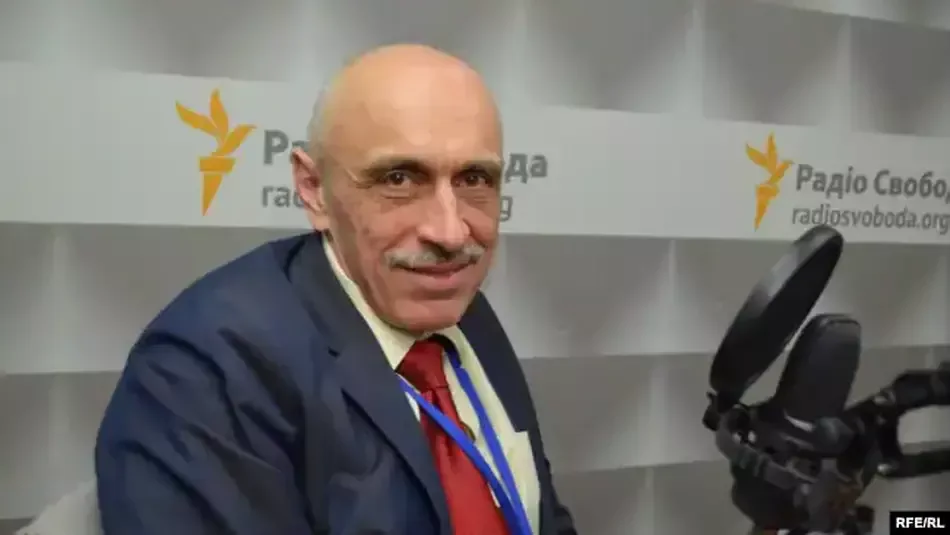
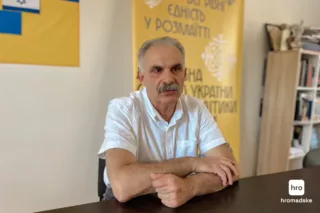
Oleksandr Pavlichenko, executive director of the Ukrainian Helsinki Union, said that the state used the Russian invasion of Ukraine as a pretext to ban the Ukrainian Orthodox Church. Pavlichenko argues that before the war started, it was very difficult to argue this, but now the state has nothing to fear from criticism from the ECHR, the UN or other human rights institutions. He said this in an interview with Detector.media.
“We are talking about the basis for the ban (of the UOC – ed.). Article 9 has two parts: the first is the proclamation of freedom of religion and observance of rites, the second sets out the restrictions that the state is allowed to impose. And these restrictions have three components. First, the legislative restrictions must be clearly formulated, and this is what has now been done. Secondly, there must be a list of conditions under which this restriction is imposed, i.e. protection of territorial integrity and public order. Third, this ban must be necessary in a democratic society. After all, any ban, on the one hand, is an infringement of the right, and on the other hand, is justified or unjustified from the point of view of the ECHR,” – Pavlichenko said.
“Pravozahystnyk believes that since Russia has invaded Ukraine, this will be enough to argue to the international community to ban the Ukrainian Orthodox Church. In his opinion, the presence of a “branch of the pro-Putin church” in Ukraine is unacceptable, so there is no point in sending the adopted anti-church law No. 3894 to the Venice Commission for review.
“Russian aggression has given us these grounds. That is, we have done now what would have been very difficult to do before the large-scale invasion, and now this decision is more legally justified. So I think this process is correct and this law does not need to go through the Venice Commission. In addition, our law provides for a nine-month transition period. There were no repressions, no forceful destruction or any categorical prohibition – no. It is proposed to sever ties with the Russian church, because having a branch of a pro-Putin church with its ideology in Ukraine is nonsense,” – he added.
Recently, Noel Calhoun, Deputy Head of the UN Human Rights Monitoring Mission in Ukraine, who participated in a press conference organized by SSERF entitled “Freedom of Conscience in Ukraine: Its Enemies and Defenders,” confirmed the organization’s position on the ban on the Ukrainian Orthodox Church. Calhoun said that protecting national security is not a sufficient reason to restrict freedom of religion.
Read also