“We pray for the election of a worthy successor to Pope Francis,” Phanar head
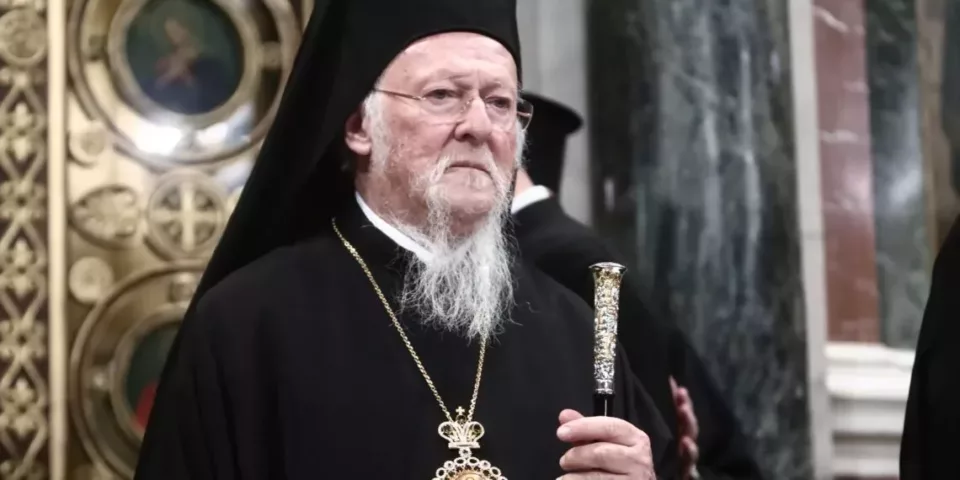
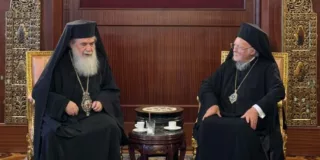
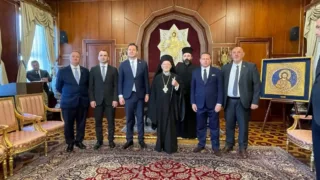
Patriarch Bartholomew of Constantinople said that he is praying for the election of a worthy successor to Pope Francis. The head of the Phanar said that he hopes to continue a fruitful ecumenical dialogue with the new Pope to achieve unity between Orthodoxy and Catholicism. The words of Patriarch Bartholomew are published by The Orthodox Times.
“We pray that a worthy successor to Pope Francis will be elected so that we can continue the ecumenical relations and dialogue that we began several decades ago. […] With the late Pope Francis, we recently worked to reach an agreement to celebrate Easter together, always, from now on, by all Christians on the same day. Unfortunately, our efforts were not finalized in time. However, we do not lose hope that the new Pope will be as favorable to us as the late Francis, and we will be able to reach this historic milestone,” – said the Patriarch of Constantinople.
The head of the Phanar added that he expects the new Pontiff to continue the work started jointly with Pope Francis, which should result in a joint celebration of the 1700th anniversary of the First Ecumenical Council, which will be held this year in Bithynia (Turkey).
“Now we hope that his successor, the new Pope, will want to fulfill Francis’ dream-a dream he deeply cherished-and that we will go together again in 2025, the anniversary of the Council, and make our pilgrimage. And perhaps this pilgrimage of the new Pope will coincide with his official visit to the Ecumenical Patriarchate on the occasion of our patronal feast on November 30, the feast of St. Andrew the First-Called, the founder of the Church of Constantinople,” – Bartholomew added.
Earlier, Patriarch Bartholomew of Constantinople said that together with the late Pope Francis, they worked to bring the Orthodox and Catholic Churches closer together. The head of the Phanar called the Pope “brother,” noting that this year they were planning to meet to mark the 1700th anniversary of the First Ecumenical Council, but “the God of life and death decreed otherwise.”
Read also