The head of the Estonian Metropolis of Phanar approved a law banning the Estonian Orthodox Christian Church
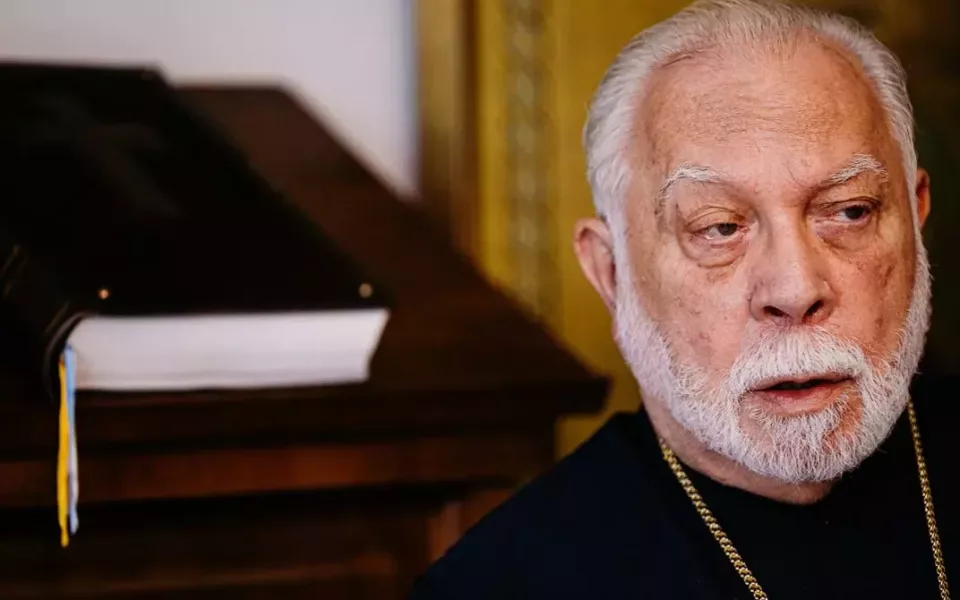
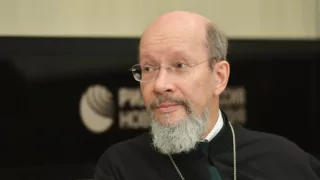
The head of the Estonian Metropolis of the Patriarchate of Constantinople (Estonian Apostolic Orthodox Church), Metropolitan Stefan, approved the Estonian parliament’s adoption of amendments to the law aimed at banning the Estonian Orthodox Christian Church (part of the Moscow Patriarchate). The bishop claims that the law effectively banning the EOC is necessary in order to “strengthen national security.” In addition, the Phanar hierarch once again invited the clergy and faithful of the EOC to join the Patriarchate of Constantinople. He spoke about this in an interview with ERR.EE.
“As far as I understand, this law concerns only state security. It is clear that no one has the right to threaten the security of the state. The Ministry of Internal Affairs and the ministers of internal affairs have stated that there is no threat to the existence of any parish. If this law is passed, then everyone, both churches and citizens, will be obliged to adhere to its principles. We cannot allow a religious organization or one acting under its cover to pose a threat to state security. We are already seeing a change in this mentality in Europe, and in various places it is being emphasized how the Moscow Patriarchate, in cooperation with the state, undermines the security of other states and interferes in both politics and public life. We cannot accept that, under the name of freedom of religion, this very freedom is being used to create chaos and confusion,” – said the head of the Estonian Metropolis of the Patriarchate of Constantinople.
He also added that he had repeatedly made proposals to the Estonian Orthodox Christian Church that its representatives sever canonical communion with the Moscow Patriarchate and join the structure of the Phanar directly or on the terms of a vicariate.
“My proposal is a vicariate. Of course, the term ‘vicariate’ has its own meaning, but in this case, I went beyond the traditional meaning. First of all, my concern was how to help our Orthodox brothers from the Russian Orthodox Church maintain public recognition. I also thought about how to help them if the EOC decides to sever existing communication. The state cannot help because it only deals with legislative issues, not ecclesiastical and canonical ones. As stated in the statutes of our Orthodox churches in Estonia: on the one hand, we respect and abide by the laws of the state, and are guided by them, and on the other hand, we obey and are in communion with the head of our church, who ensures our ecclesiastical existence. My proposal was to give them the opportunity, by breaking off communication, to preserve their ecclesiastical canonicity and belonging to the church without becoming a sect in the Orthodox sense. When a church structure becomes a sect, it can break up into subdivisions and groups. My step and my proposal are a helping hand extended to them, an attempt to meet them halfway and help them in the situation they find themselves in. All this without any coercion, providing them with canonical communion and integrity. I am not asking for anything in return. The only thing I ask is that their bishops mention my name during services as a sign of recognition of communion. I have the right to be mentioned. That was my first proposal,” – he added.
On June 18, 2025, the Estonian Parliament adopted in the third reading amendments to the Law on Churches and Parishes, which effectively restrict the activities of the Estonian Orthodox Christian Church (EOC). Among the important changes is that churches and other institutions have been given more time to amend their statutes, from two months to six months.
Read also