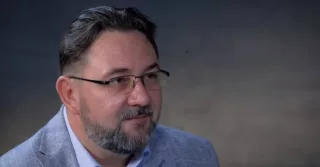
OCU hierarch Bodoryak called on Romanian-speaking parishes of Bukovina “not to delay the choice” and to “join” the OCU
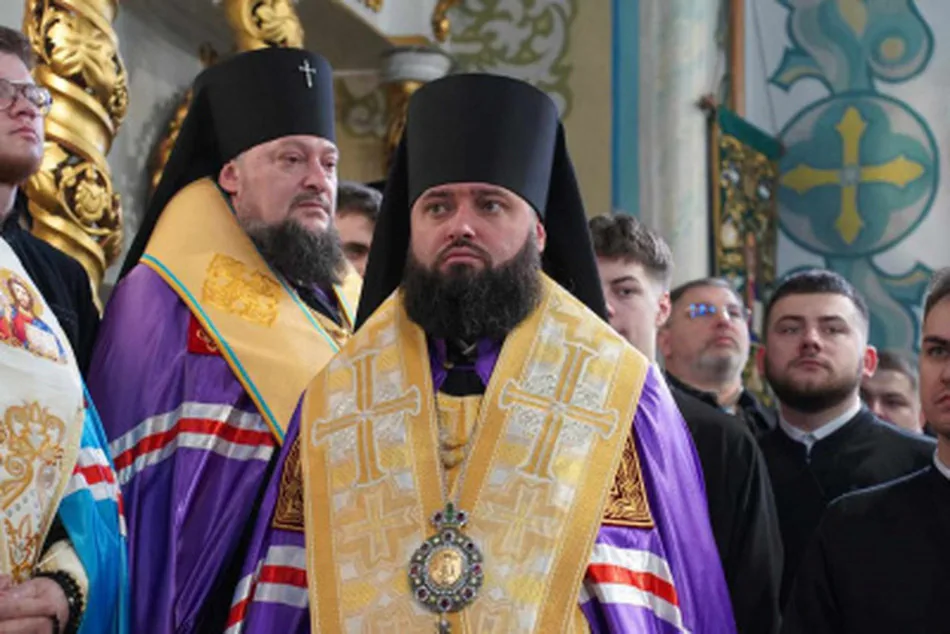
In a statement published after the release of the findings of the State Service of Ukraine for Ethnic Policy and Freedom of Conscience on the presence of signs of affiliation of the UOC with the Russian Orthodox Church, the main representative of the OCU in Bukovina, Feognost Bodoryak, declared an “official and final confirmation” of the connection between the UOC and the ROC. In this context, he called on “every conscious Christian of Bukovina not to delay the choice, not to fear pressure or intimidation.” The text of the appeal was published on the website of the Chernivtsi Diocese of the OCU.
“We have witnessed not just another assumption or suspicion, but the official and final confirmation of what church, academic, and civic circles have long been saying: the Ukrainian Orthodox Church is a constituent part of the Russian Orthodox Church (Moscow Patriarchate),” he said, referring to the SSEFC order dated July 8, 2025.
The statement claims that for a long time, the public was allegedly “misled with the false belief in the ‘independence’ and ‘autonomy’ of the UOC.” According to the OCU hierarch, “as has now been irrefutably proven, this church institution in fact remains a part of the Russian Orthodox Church — with all its canonical, administrative, and ideological consequences.”
Bodoryak claims that due to this connection, “the Moscow church leadership still maintains systemic influence over the souls of millions of Ukrainians,” and that Russia “continues to use it as a tool of spiritual and informational influence” in Ukraine.
In light of this, he called on all those still under the jurisdiction of the UOC to “make a brave and dignified step” and join the OCU. “I call on all those who still remain under the jurisdiction of the Ukrainian Orthodox Church of the Moscow Patriarchate to join in unity with the Orthodox Church of Ukraine — the only Local Church in Ukraine,” the statement says.
Separately, the hierarch addressed Romanian-speaking parishes of Bukovina. He noted that the OCU has a functioning Romanian Vicariate that provides services in Romanian and ensures “the preservation of national identity.”
“Dear Bukovinians! This path is not about politics, but about truth, dignity, and faithfulness to the Gospel,” Bodoryak declared.
Earlier, it was reported that the head of the OCU’s Odesa Diocese, Athanasius Yavorsky, stated that in OCU churches it is possible to venerate Russian saints such as Blessed Xenia of St. Petersburg and Matrona of Moscow. According to Yavorsky, there is nothing wrong with venerating these saints.
Read also