A new step towards unity or the threat of schism: the Istanbul meeting has sparked heated debate in the Orthodox world
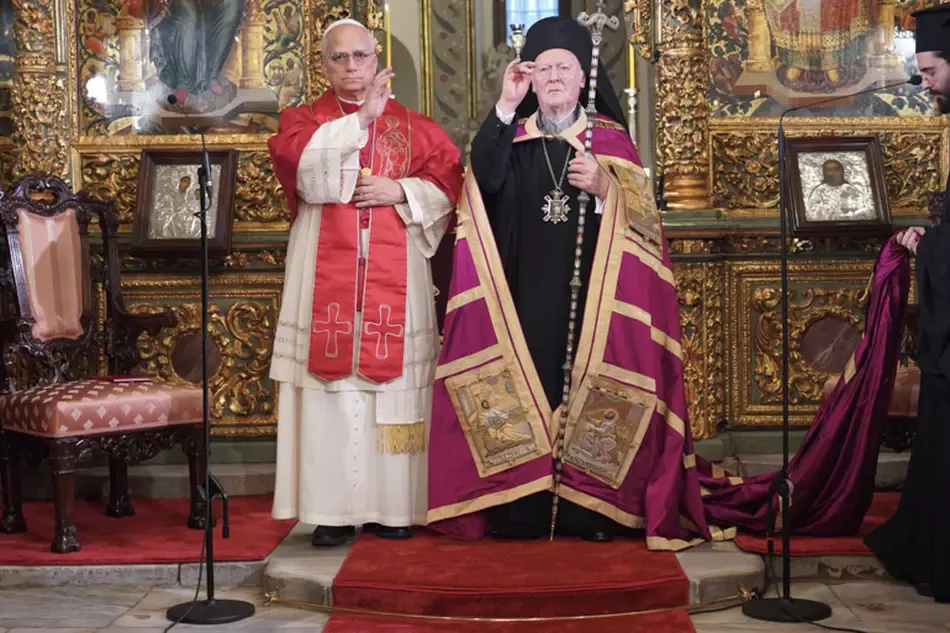
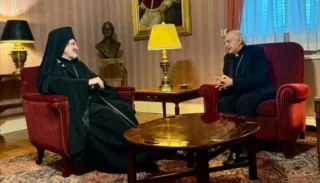
The recent high-level meeting in Istanbul (Constantinople) between representatives of the Orthodox and Catholic Churches aimed at strengthening unity has provoked a wave of intense criticism and controversy in the Orthodox community. While some participants see the event as a positive step, many theologians and believers express serious concerns about possible dogmatic compromises and the risk of a new schism, drawing parallels with the controversial 15th century Council of Ferraro-Florence.
The event included a joint prayer and a landmark gesture by Pope Leo XIV, who recited the Nicene Creed without the addition of Filioque, which was presented as an important step forward. However, according to the Helleniscope publication, critics consider the gesture insufficient and see it as a mere propaganda move. In their view, a true step toward unity would be Rome’s complete and unconditional renunciation of the Filioque dogma, not its temporary omission in favor of a «deceptive charade.»
The central point of criticism voiced in the pages of Helleniscope is the violation of Church canons that forbid praying together with heretics. The publication’s analysts argue that the path to true unity lies not through ecumenism and syncretism — ignoring dogmatic differences in favor of similarities — but through the full acceptance of Orthodox truth by those who have departed from it. The actions of Ecumenical Patriarch Bartholomew and other hierarchs, according to critics, give the impression of readiness for a «false union» that could lead to further schism within Orthodoxy itself.
At the same time, the discussion surrounding the meeting revealed other points of view. Some commentators have drawn attention to the joint statement condemning «any use of religion and the name of God to justify violence.» This point is seen as particularly important in the context of the ideology of «Russian Peace» and the conflict in Ukraine. Proponents of this view believe that one of the main tasks of church hierarchs today is to protect the Church from hostile political forces. However, their opponents counter that it was Constantinople’s actions in Ukraine that led to the violence and seizures of churches.
The controversy has also touched on the historical figure of St. Mark of Ephesus, a participant in the Council of Ferraro-Florence. While some cite his example as proof of the permissibility of dialog with Catholics, others, citing historical sources, argue that the saint’s main purpose was to protect the Orthodox delegation from betrayal of the faith, not to engage in dialog as such. Thus, the meeting in Istanbul, instead of becoming a symbol of rapprochement, only exacerbated the existing contradictions, jeopardizing the unity, first of all, of the Greek-speaking Orthodox Churches, and causing fears of a repetition of historical mistakes.
Recall, earlier we reported that Patriarch Bartholomew of Constantinople and Pope Leo XIV signed a joint declaration in Istanbul, confirming their commitment to the path to restoring full communion between the Roman Catholic and Constantinople Churches. The document also calls for an end to wars and the unification of the date of Easter.
Read also