Authorities plan to transfer St. Nicholas Church in Kiev to the Catholic community for 50 years
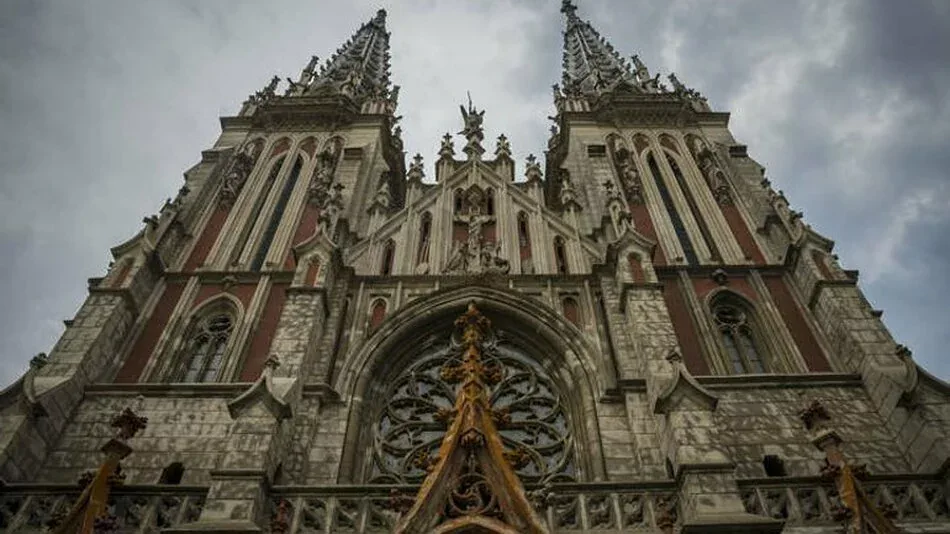
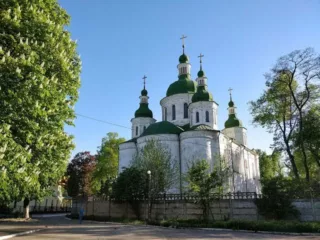
on January 6, 2026, the St. Nicholas Catholic Church in Kiev is scheduled to be handed over to the capital’s Roman Catholic community for 50 years. This decision, according to a statement by the St. Nicholas Roman Catholic parish, is the first significant step toward restoring the community’s rights to the historic structure, which is now used by the Ukrainian Ministry of Culture as the House of Organ Music.
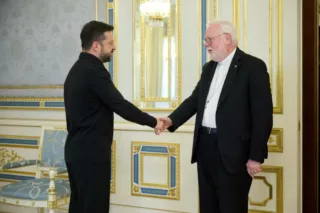
According to RISU, on this day, January 6, at 18:00, a solemn prayer service and Mass will be held at the church. The event will be attended by the Apostolic Nuncio to Ukraine Archbishop Visvaldas Kulbokas, Bishop-Ordinary Vitaly Krivitsky, as well as representatives of the state authorities.
The community publication notes that “the prayer will be a sign of gratitude for the support of all those who participated in the defense of the shrine and hope for the full restoration of the church – an outstanding sacral and cultural monument of Ukraine, which survived fire, war and years of bureaucratic delay.” This indicates a long-awaited solution to the problem of the status and future of the church.
Earlier, at a meeting on September 16, the Cabinet of Ministers of Ukraine approved the construction of a “House of Music” in Kiev to be completed by the end of 2023. The National House of Organ and Chamber Music of Ukraine is expected to move to this new building. Until the move, the institution will continue to use the Church of St. Nicholas together with the religious community of the RCC, which was a temporary solution, preceding the possible transfer of the temple to the community on a long-term basis.
Recall, earlier we reported that the Government of Ukraine made significant changes to the procedure for transferring state and communal property to religious organizations for free use. The key innovation was an increase in the maximum term of such contracts from 10 to 50 years, which is intended to eliminate bureaucratic barriers and provide stability for religious communities.
Read also