RCC in Russia claims pressure due to refusal to sign a statement on persecution of the UOC and other churches in a number of foreign countries
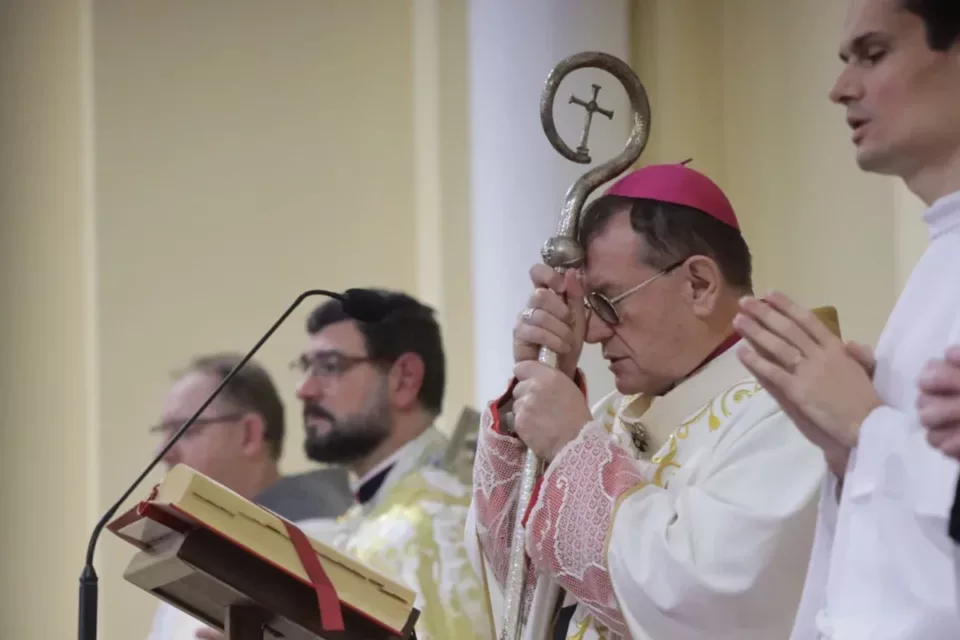
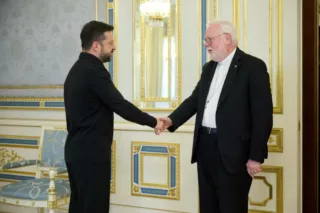
The Catholic Church in Russia says it is under pressure after the chairman of the Russian Catholic Bishops’ Conference, Archbishop Pavel Pezzi, refused to sign a statement by the Christian Interfaith Consultative Committee. The document, adopted on January 15, dealt with harassment and violations of Christian rights in a number of foreign countries, including persecution of the Ukrainian Orthodox Church. The archbishop’s refusal caused a negative reaction in the pro-government media, but the Curia of the Archdiocese of the Mother of God in Moscow explained that such a decision was due to the internal rules of the Roman Catholic Church, which prohibit official statements concerning other countries.
According to KATOLIK.LIFE, pro-government Telegram channels with an audience of millions are “actively spreading negative information” about Archbishop Paul Pezzi. This began after state media reported his absence among the signatories of the KMKK statement. The list supporting the document includes 11 representatives of Christian denominations in Russia, including the Russian Orthodox Church, Baptists and Adventists, but the Catholic archbishop’s signature is not among them.
“An informed source in the Russian Orthodox Church” cited by the media expressed his bewilderment. According to him, Archbishop Paul Pezzi’s refusal to put his signature “raises questions” and shows an alleged lack of support for “good initiatives dictated by the responsibility of Christians before God.”
In response to the wave of criticism, Priest Kirill Gorbunov, general vicar general of the Archdiocese of the Mother of God in Moscow, confirmed the lack of a signature, but emphasized that the archbishop “sympathizes with his position.” He explained that the head of the archdiocese “according to the internal rules of the Roman Catholic Church has no right to make official statements affecting other states.” This is a consistent position, as previously the Roman Catholic Church in Russia had already been asked to express its position on the banning of the UOC in Ukraine, to which Archbishop Pezzi also responded that comments on the complex situation in another state fall within the competence of the Holy See, in particular the Vatican Secretariat of State.
The very statement of the Christian Interfaith Consultative Committee of January 15 stated that in Ukraine the practice of state pressure on the Ukrainian Orthodox Church continues, in Armenia the pressure on the Armenian Apostolic Church is increasing, in Estonia the law on churches and parishes, which affects the internal life of the Estonian Orthodox Christian Church, and in Moldova the administrative and judicial measures against the Orthodox Church of Moldova are alarming.
Recall that earlier we reported that representatives of the member churches of the Christian Interfaith Consultative Committee (CICC), the largest inter-Christian association in the Eurasian space, expressed deep concern over the continuing harassment and violations of Christian rights in a number of countries. The statement published on the KMCC website focuses on the situations in Ukraine, Moldova, Estonia and Armenia.
Read also