The Church in Romania leads in the level of trust of citizens, ahead of the army and politicians
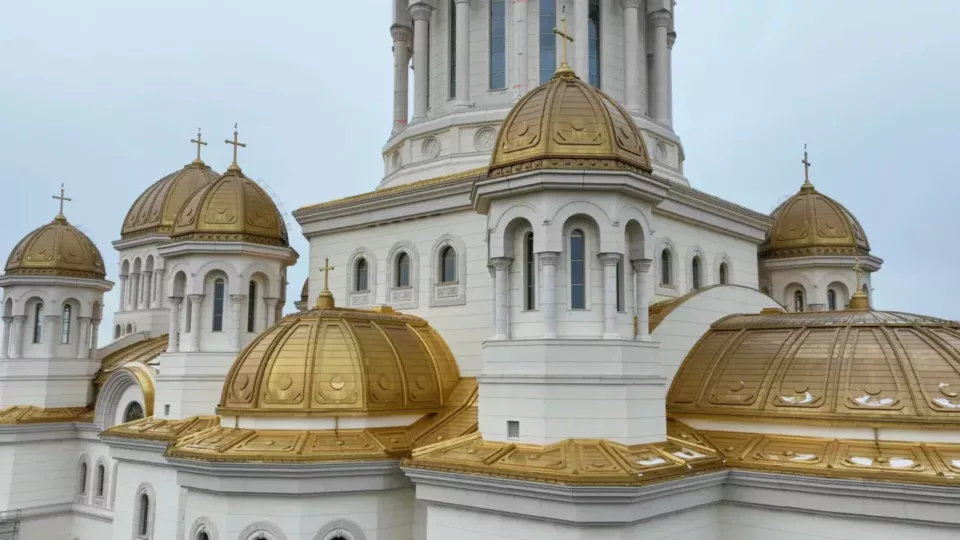
According to a recent social survey conducted in Romania, the Church has become the most respected institution in the country, far ahead of other state and social structures, including the army and political parties. According to the survey, 63.9% of Romanians express “enough or a lot of trust” in the Church, a marked increase from previous figures.
According to Greek portal Vima Orthodoxias, citing data from news agency Basilica.ro, the level of trust in the Church rose to 63.9% in January 2026, up from 57.7% in July 2025. This significant increase in just six months indicates the strengthening of the role of religious institutions in the public consciousness, especially against the backdrop of the current political and social turmoil undermining trust in traditional parties.
The survey was conducted by CATI (computer assisted telephone interviewing) from January 12 to January 15, 2026 among 1,100 adult respondents representative of the general population. The survey has a margin of error of ±3% at a 95% confidence level. As a result, the Church ranked first, leaving behind the military, law enforcement, and other government agencies. Political parties and government services show significantly lower levels of trust, underscoring citizens’ growing alienation from traditional politics.
INSCOP Research Director Remus Stefuryak attributes this trend to citizens turning to institutions that are considered “non-political” and symbolic, offering a sense of stability and identity. “The Church and the Army remain stable symbols of permanence and identity, especially in societies distrustful of the political system,” he emphasized.
Trust in the Church is not only a religious phenomenon, but also an indicator of social cohesion in times of uncertainty. For many Romanians, the Church embodies values such as hope, morality and solidarity, elements that become critical when trust in political institutions wanes. The increase in trust from 57.7% to 63.9% in six months indicates that its role goes beyond the purely spiritual, gaining significant social weight. Against the backdrop of economic crises, migration flows, international tensions and a general distrust of politicians, many people are looking for meaning and support in structures not directly linked to party politics.
The publication of the survey results, according to analysts, opens an important public dialog in Romania about the role of institutions. Trust in the Church can serve as an indicator of social need: the need for stability, reliability, and meaning beyond narrow political confrontation. Critics may argue that the rise in trust in non-political institutions is a reaction to the failure of the political arena to provide stability or inspiration. Proponents of the study, however, point out that such trends are not necessarily anti-democratic, but may reflect a more intense search for values beyond the day-to-day political debates. For the Church itself, this growth in trust raises existential questions: how this trust translates into practical support and social contribution, and what it means for its relationship with the contemporary world.
Researchers and sociologists will continue to observe whether this trend will continue or change depending on developments in the social, political and spiritual spheres. Romania’s results can serve as a valuable case study in the context of the European Union, where citizens often express decreasing trust in traditional institutions.
As a reminder, according to the latest sociological survey conducted by the Razumkov Center, the Armed Forces of Ukraine continue to hold the position of the most trusted institution among citizens, while the level of trust in the Verkhovna Rada remains extremely low. Interestingly, the Church is trusted by 65 percent of respondents, which puts it on a par with the Security Service of Ukraine.
Read also