Archbishop Elpidophoros: The future of inter-Orthodox relations will be decided in Ukraine
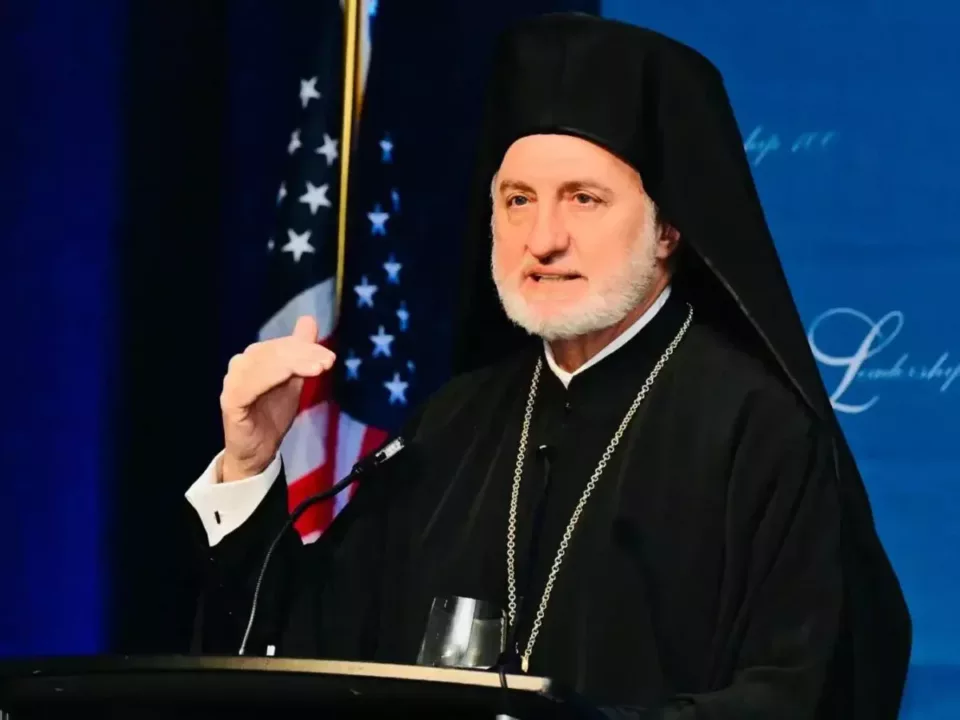
Archbishop Elpidophoros (Lambriniadis), head of the Archdiocese of America of the Patriarchate of Constantinople, said that the future of inter-Orthodox relations will largely depend on the developments in Ukraine. He emphasized that the outcome of the current conflict will determine church relations between the Orthodox Churches, especially in the context of tensions with the Russian Orthodox Church.
According to the Orthodox Observer, Archbishop Elpidophoros made this statement during his speech at the annual Leadership 100 conference in the American city of Phoenix. Answering a question about the difficult relations with the Russian Orthodox Church, he noted that the existing tensions have a negative impact on the unity of Orthodoxy, including in the United States.
He also mentioned the ongoing work of the Assembly of Canonical Orthodox Bishops of the United States aimed at preserving church unity within the country. The Archbishop expressed his sincere hope that a peaceful resolution of the conflict in Ukraine will open the way to reconciliation between the Churches of Constantinople and Russia, which will restore the unity of world Orthodoxy.
In support of his position, Elpidophoros referred to the historical principle formulated by Patriarch Photios the Great, according to which church processes often follow political events. He emphasized that the possible terms of a peace agreement in Ukraine could significantly affect the ecclesiastical map of world Orthodoxy, redefining existing borders and relationships.
Earlier, Patriarch Bartholomew of Constantinople addressed the head of the OCU with an instruction to actively seek ways to bring the UOC hierarchs closer together through dialogue and the search for common ground to achieve unity. Seven years after the granting of the Tomos of autocephaly, the Patriarch emphasized the importance of efforts to achieve peace, condemned state interference in church affairs, and called for a rethinking of positions for the sake of general reconciliation.
Read also