The number of Buddhists in the world has declined by 5% per decade amid population aging and religious disaffiliation
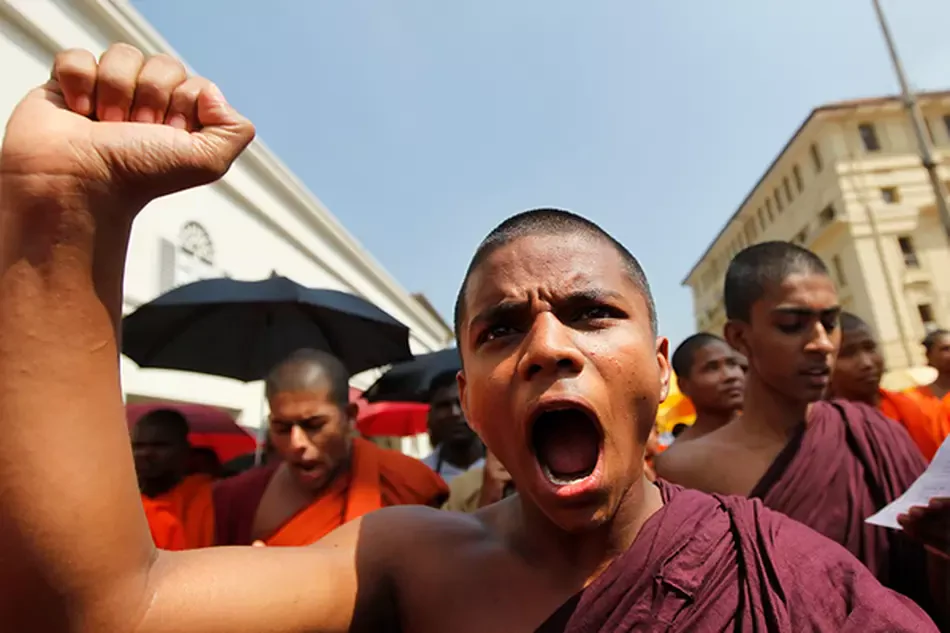
The number of Buddhists in the world fell by about 19 million between 2010 and 2020, from about 343 million to 324 million, and the share of Buddhists in the global population fell from 4.9 percent to 4.1 percent. According to a Pew Research Center analysis, the key factors were aging communities and the growing proportion of people leaving the religion as adults.
According to the data cited by Christian Today, Buddhism was the only major world religion to show a decline in numbers between 2010 and 2020, even though the world population grew by about 12% over that period.
Researchers note a combination of population pressure and religious “switching.” On average, there are 12 adult converts for every 100 people raised in Buddhism, but 22 people leave Buddhism as adults, giving a net outflow of 10 for every 100 raised in the tradition. The trend is most pronounced in East Asia, with 2024 surveys showing that about half of people in Japan who grew up in Buddhism no longer identify with it, and 60% in South Korea. At the same time, in Thailand, the country with the largest Buddhist population, the majority of those raised in the faith continue to identify with it.
Demographic factors are exacerbating the decline. By 2020, the median age of Buddhists has reached about 40 years, compared to a global median of 31. Fertility among Buddhist women – about 1.6 children per woman – is below the simple reproduction rate (2.1), leading to declining numbers if sustained over the long term. Geographically, 98% of Buddhists live in the Asia-Pacific region, with about 40% living in East Asia (including South Korea, China, Japan, Hong Kong and Taiwan). In these five jurisdictions alone, the number of Buddhists declined by about 32 million (about 22%) over the decade.
As Christian Today notes, the results fit into a broader context of changing religious affiliation: the proportion of the non-religious (atheists, agnostics, and “unaffiliated”) is growing, and in a number of countries, including the UK, Christianity has lost its majority status. By 2020, the religiously unaffiliated had become the largest group in ten countries. At the same time, a separate Gallup study commissioned by the British and Foreign Bible Society and the United Bible Societies indicates that in most parts of the world, most people still believe in God or a higher power, and in 5 out of 7 contexts studied, a majority stated a meaningful role for faith in everyday life. Globally, Christianity remains the largest faith community, Islam the fastest growing, and faith landscapes are increasingly shaped not only by fertility but also by personal choice.