Speaker of the Georgian Parliament declared a "religious war" against the Orthodox Church
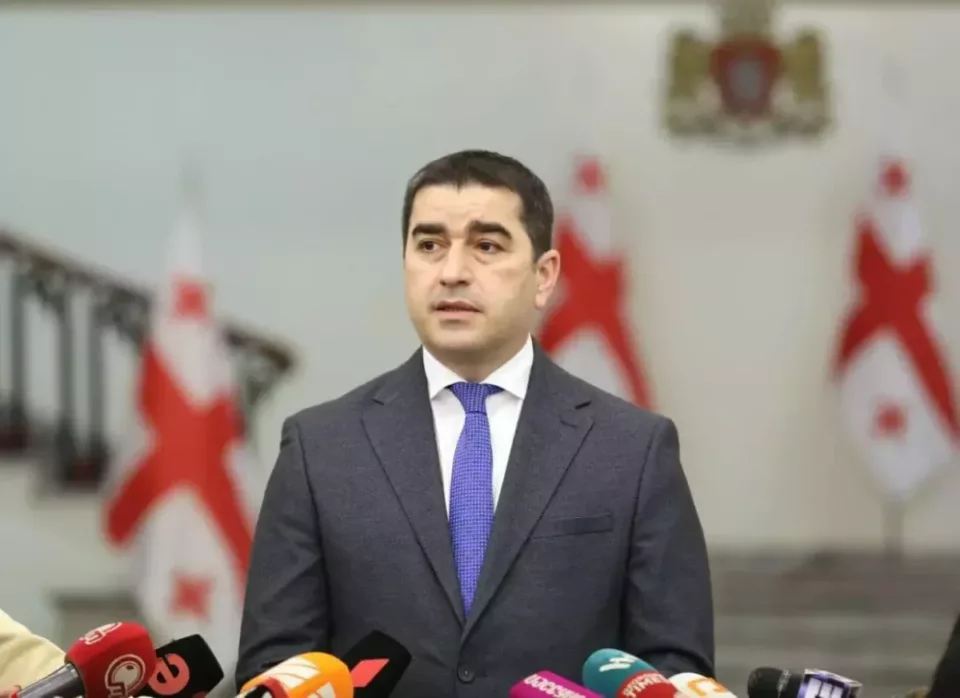
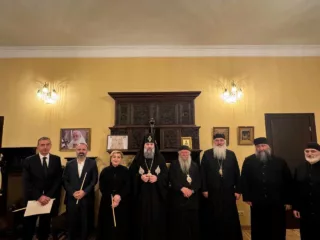
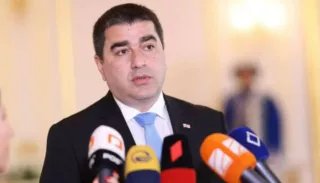
Speaker of the Georgian Parliament Shalva Papuashvili made a harsh statement accusing European officials and foreign foundations of waging a multi-year “religious war” against the Georgian Orthodox Church (GOC). The purpose of these attacks is to undermine the authority of the country’s most influential institution and an attempt to replace the spiritual foundation of the nation with an artificial ideology of the European Union. This is reported by 1TV.
While talking to the press Papuashvili noted that the organized campaign to discredit the Church has been going on for 22 years. The politician recalled Patriarch Ilia II’s warning made back in 2004 about the external management of anti-Church movements. The speaker emphasized that opponents have been using the labels of “anti-Western” and “pro-Russian” forces for years to pave the way for replacing the Church with an ideology of their own making.
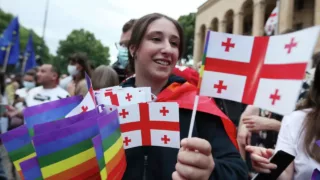
According to the head of parliament, some European leaders and “Brussels bureaucrats” are trying to turn the European Union into a kind of “pseudo-religion.” He characterized the behavior of adherents of this ideology in Georgia as “fundamentalist”, noting the use of quasi-religious rituals and slogans with complete rejection of criticism of Brussels.
The statement paid special attention to the foreign funding of those involved in the attacks on the SOC. Papuashvili explicitly pointed out that French funds sponsored the Sovlab group involved in the scandal around the icon in the Holy Trinity Cathedral. Also accused of “outright fraud” was the EU-funded “Center for Tolerance”, which, according to the politician, illegally appropriated constitutional terms to discredit the hierarchs.
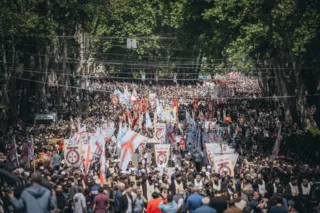
Summarizing his speech, Shalva Papuashvili said that despite the millions poured into discrediting the spiritual foundations, these efforts were in vain. He added that the mass gathering of believers at the Holy Trinity Cathedral clearly demonstrated the true unity of Georgian society around its Church.
Read also