Estonian intelligence agency calls Estonian Orthodox Church a "threat to national security"
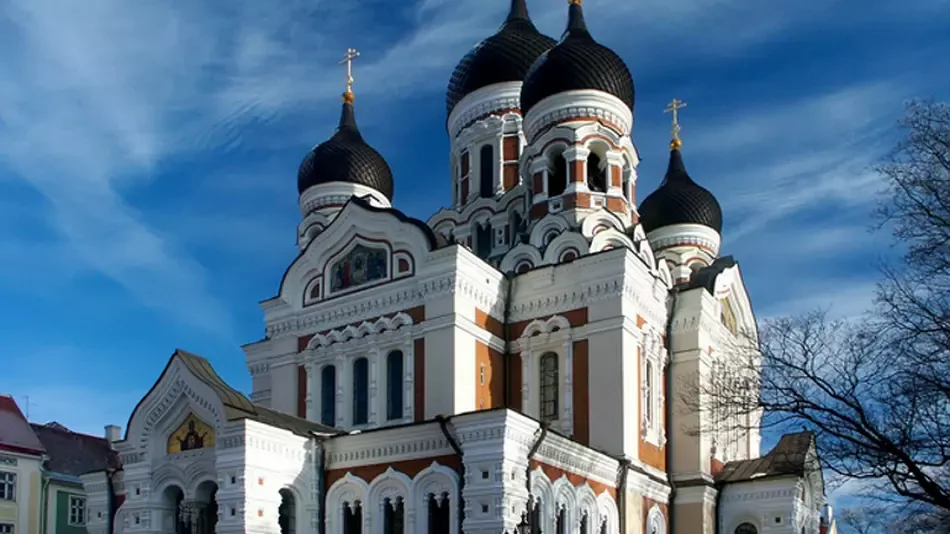
According to the annual report of the Estonian security service Kaitsepolitseiamet, the Estonian Orthodox Church continues to be under the control of the Russian Orthodox Church (ROC), despite formal changes in its charter and name. Attempts by the church authorities to demonstrate independence are classified by security services as an attempt to create the appearance of autonomy against the background of Russia’s ongoing aggression against Ukraine.
Itis reported that in 2025 the religious organization changed its name from the Estonian Orthodox Church of the Moscow Patriarchate to the Estonian Christian Orthodox Church. According to intelligence reports, these steps, along with edits to the charter, were taken to distance themselves from Patriarch Kirill. Nevertheless, the head of the Russian Orthodox Church continues to use Christian rhetoric to justify military action, and Moscow’s actual influence on the Estonian unit remains unchanged.
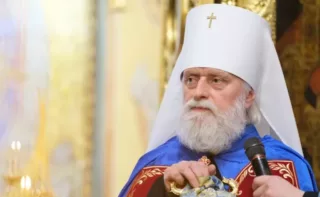
The document stresses that the organization is still headed by Metropolitan Eugene, a Russian citizen. Earlier, the Estonian authorities refused to extend his residence permit for security reasons, as a result of which he was forced to leave the country. The Kaitsepolitseiamet report notes that “Russia’s aggression against Ukraine and interference in the Moldovan elections clearly show how religion in Russia has become an instrument of executive power.”
To summarize, Estonian intelligence summarizes: despite all declarative statements about independence, the activities of the church actually continue to be coordinated from Russia. Official Tallinn considers this situation as the use of religious institutions as a lever of external influence of the Russian Federation.
Recall, earlier we reported that the Estonian authorities introduced a ban on entry into the country and the Schengen zone for seven citizens related to the Russian Orthodox Church (ROC). This decision is motivated by national security considerations and accusations of support for the foreign policy of the Russian Federation.
Read also