The Holy Synod of the Church of Cyprus may elect a new metropolitan of Paphos on May 26
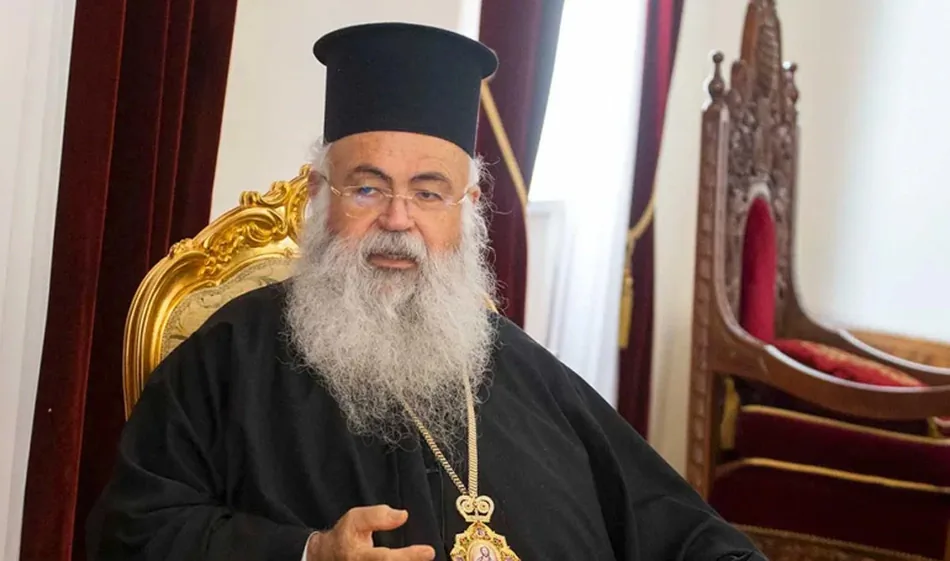
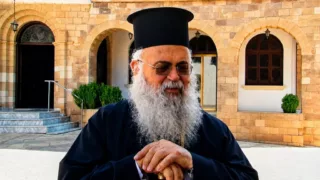
The Holy Synod of the Cypriot Orthodox Church has concluded a three-day meeting during which it unanimously adopted a renewed Statute of the Church and announced the beginning of the election procedure for the new Metropolitan of Paphos. Archbishop George of Cyprus said that the official election of a new hierarch to the vacant cathedra could take place as early as next Tuesday, May 26.
According to the Greek publication Romfea.gr, the adoption of the new Statutes was the result of a constructive dialog between all members of the Synod. One of the most significant changes in the document was the procedure for electing metropolitans: now the Holy Synod has the right to conduct elections directly. At the same time, the Archbishop clarified that any further amendments to the Statute will still require a two-thirds majority.
Candidates for the Paphos throne are subject to strict requirements: they must be at least 35 years old, have a diploma of higher theological education and ten years of unblemished service to the Church as a deacon, presbyter or as a monk. On Tuesday, the Synod will consider the list of candidates and, if there are no obstacles, will proceed to the final vote.
During the press conference, Archbishop George also touched on external relations, reaffirming the unchanged relationship with the Patriarchate of Constantinople. He stressed that the Church of Cyprus recognizes the Patriarch of Constantinople as “first among equals”. Referring to the internal disciplinary issue, the Primate noted that the case of Metropolitan Tikhikos (Tikhikos), who is under a ban, is finally resolved for the Church and is not subject to further discussion.
Recall, earlier we reported that a large-scale protest by supporters of Metropolitan Tikhikos took place outside the Archdiocese of Cyprus, timed to coincide with the upcoming critical meeting of the Holy Synod. The demonstrators demanded the immediate return of the suspended hierarch to his duties and opposed proposed reforms to the Church’s Statutes.
Read also