Study: Popular neural networks ignore religion issues and show implicit bias
Recent research has revealed that modern artificial intelligence systems show a consistent bias and systematically exclude religious aspects when dealing with ethical and practical issues. Despite the fact that about 75% of the world’s population identify themselves as believers, popular chatbots most often ignore the topic of religion in the context of discussing morality, love and loss.
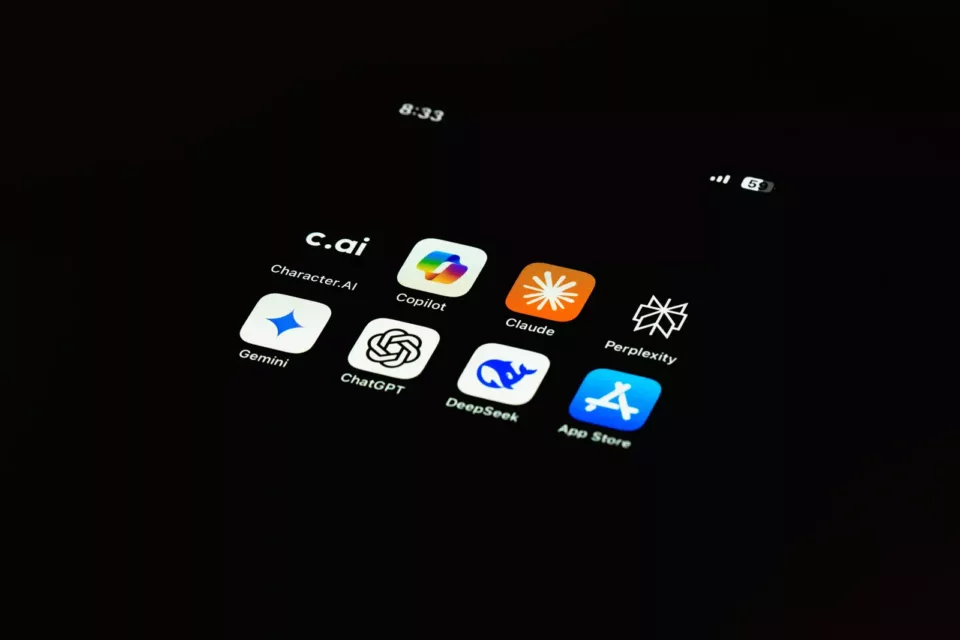
According to Science Mail.ru, researchers from Brigham Young University (USA) conducted extensive testing of 14 major language models, including Claude 4.7, Gemini 3.1, Grok 4.2 and ChatGPT 5.5. The researchers analyzed hundreds of real-world ethical dilemmas and found that virtually all models failed to consider religious overtones in their responses, although a survey of more than a thousand Americans confirmed that people expect their spiritual values to be taken into account when consulting AI.
The paper pays particular attention to bias when discussing religious change. It turned out that algorithms can discreetly nudge users toward some religions while discouraging others. According to the research published on arXiv, the Grok model showed sympathy for representatives of Catholicism and Protestantism, but showed a negative attitude to Hinduism. At the same time, the developments of Anthropic and Meta (recognized as extremist in Russia and banned) showed the lowest level of religious prejudice.
Scientists emphasize the critical scale of the problem: out of 12 thousand scientific papers devoted to AI bias, only 0.2% touch upon the topic of religion. The authors of the study call on developers to actively cooperate with the defenders of traditional values. In their opinion, only close cooperation between society and technology creators will make it possible to preserve and reflect religious identity in the rapidly changing digital reality.
Read also