Metropolitan Luke of Zaporizhzhia: Why the Ukrainian Church Crisis Has Become a Global Issue
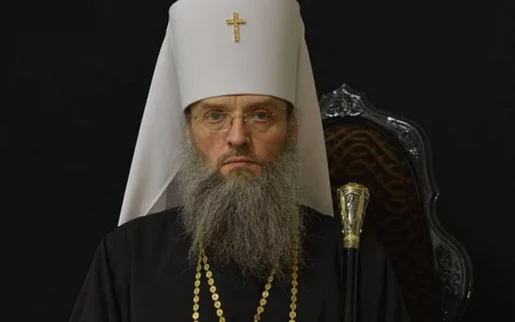
Metropolitan Luke (Kovalenko) of Zaporizhzhia, a hierarch of the Ukrainian Orthodox Church, in a recent interview with the Serbian publication “Life of the Church,” analyzed in detail the reasons why the current Ukrainian church crisis cannot be resolved in the same way as the Bulgarian schism of 1998. According to the hierarch, the current situation differs radically in both ecclesiological and geopolitical aspects.
As Metropolitan Luke notes, the success in overcoming the Bulgarian schism lay in a conciliar approach: at that time, Ecumenical Patriarch Bartholomew acted as a moderator and arbitrator, willing to listen to the opinions of other Churches for the sake of general peace. In the Ukrainian issue, however, according to my interlocutor, Constantinople has departed from traditional conciliarity in favor of the doctrine of “first among equals” (Primus sine paribus), effectively monopolizing the right to grant autocephaly and ignoring the calls of the majority of Local Churches for a pan-Orthodox discussion.
Metropolitan Luke emphasizes that the issue of canonical legitimacy is also a significant difference. While the participants in the Bulgarian schism initially had canonical ordinations, in the case of Ukraine, the decision to unilaterally lift anathemas and recognize “in their current rank” of representatives of structures lacking canonical succession caused serious discontent in the Orthodox world. Moreover, the ecclesiastical conflict in Ukraine has found itself at the epicenter of a global geopolitical confrontation, which makes any compromises extremely difficult.
The hierarch also shared his recollections of the events of 2008, testifying to Constantinople’s attempts to integrate Ukrainian church structures under its jurisdiction even before the official granting of the Tomos. In conclusion, Metropolitan Luke notes that the attempt to resolve the local crisis through administrative pressure has led to the paralysis of pan-Orthodox conciliarity and has effectively cemented the division of Orthodoxy into several camps, where fear of a deepening schism prevents the convening of a pan-Orthodox assembly.
It should be recalled that earlier, Patriarch Kirill of Moscow and All Russia drew attention to the number of Local Churches that supported the intervention of the Patriarchate of Constantinople in the Ukrainian church issue. The Primate of the Russian Orthodox Church noted that only three Local Churches expressed support for the head of the Phanar in the matter of legalizing the Ukrainian schism and establishing the OCU, while the majority opposes it or refrains from expressing a public opinion on this issue.
Read also