Kyiv Residents Protest Against the Construction of a Ukrainian Greek Catholic Church: Public Hearings Disrupted

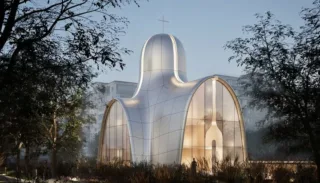
Residents of Kyiv’s Obolon District have strongly protested the construction of a Ukrainian Greek Catholic Church on Severna Street, accusing the organizers of the public hearings of pretending to engage in dialogue with the community. The event, held on August 7, 2026, did not lead to a compromise but only exacerbated social tensions in the district.
According to , local residents said the meeting, organized by Kyiv City Council member Yevhen Kuzmenko, resembled a presentation of the construction project rather than a full-fledged public discussion. Participants complained about the lack of a registration process and clear rules for decision-making, which led some Kyiv residents to walk out of the Obolon District State Administration auditorium in protest.
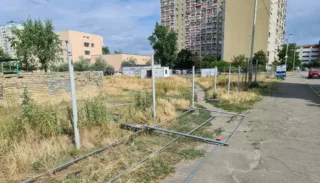
The main cause of the conflict was the disregard for the opinions of residents, who had previously collected 6,000 signatures opposing the development. Residents emphasize that the active phase of construction work, including the excavated foundation pit, is already damaging utility lines and causing cracks to appear in neighboring residential buildings. In addition, the protesters point to the destruction of a green space that residents had been planting on their own since 2017.
At this point, the conflict has moved to the legal arena: the civic organization “Voice of Obolon” has filed a lawsuit with the Kyiv District Administrative Court demanding that the decision to transfer the land plot for construction be revoked. As an alternative use for the disputed territory, local activists propose creating an underground shelter for children and developing a landscaped park on the surface.
As a reminder, an earlier investigative report by revealed that land plots in Ternopil—which had been transferred free of charge to the OCU and the UGCC religious communities for religious purposes—were being used on a large scale for the construction of commercial apartment buildings. This involves the construction of more than 500 apartments on land originally intended for churches and religious centers.
Read also