Deputy Poturaev acknowledged that the OCU is not widely recognized by global Orthodoxy
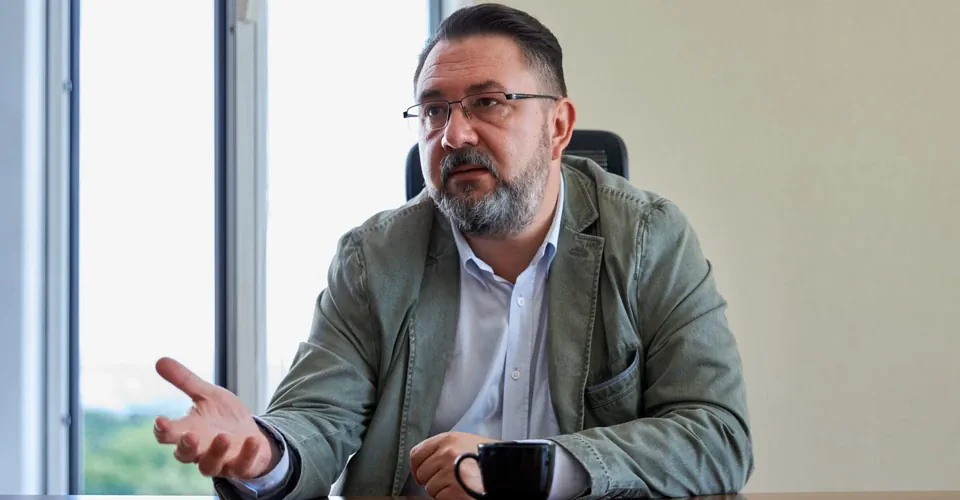
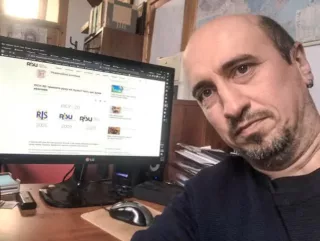
Nikita Poturaev, chairman of the Verkhovna Rada Committee on Humanitarian and Information Policy, acknowledged that the process of recognizing the OCU by the Local Churches is proving difficult, and that the organization itself has not yet gained universal support. Among the key factors hindering this process, the deputy highlighted Russia’s actions and the struggle for influence over believers outside Ukraine.
According to , Poturaev stated that a number of Orthodox Churches are refraining from recognizing the OCU “due to direct or indirect dependence on the Russian Orthodox Church.” At the same time, as the lawmaker notes, other Churches are guided by their own geopolitical calculations and interests, seeking to maintain influence over the Ukrainian faithful living abroad.
In his speech, the lawmaker also touched on the topic of cooperation with the Patriarchate of Constantinople, which had previously granted the OCU a Tomos of Autocephaly. According to Poturaev, even in relations with the Phanar, there are certain difficulties related to “internal influences and balances of interests.” The deputy described the current situation as a “sensitive diplomatic arena” requiring a measured approach.
As a reminder, the Primate of the Albanian Orthodox Church, His Beatitude Archbishop John, previously spoke out on the Ukrainian church issue. The Primate pointed out that the creation of the OCU has divided global Orthodoxy, noting that the Synod of the Albanian Church had expressed its position on this issue and that it remains unchanged.
Read also