Metropolitan Theodosius: The persecution of the Ukrainian Orthodox Church began long before the start of the military conflict
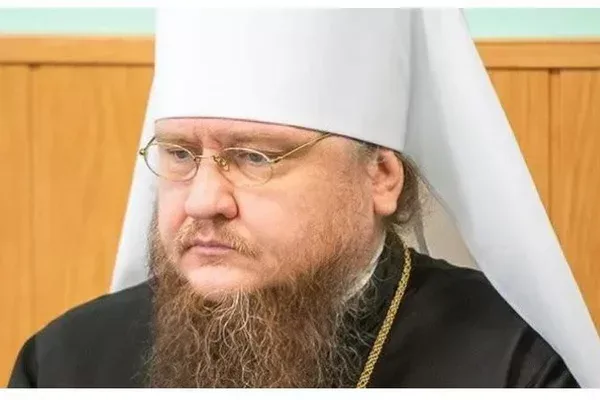
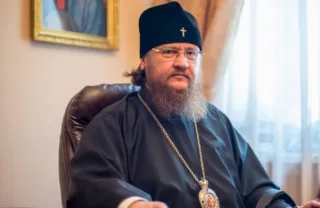
Metropolitan Theodosius of Cherkasy and Kaniv shared his assessment of the current situation surrounding the Ukrainian Orthodox Church. According to the hierarch, the persecution of the religious organization was not a consequence of the outbreak of hostilities, but merely accelerated processes that were inevitable and had been unfolding in Ukrainian society over the past decades.
In an interview with the Romfea.gr portal , Metropolitan Theodosius emphasized that pressure on the Church had been systematically increasing since 1992, and after the events of 2014, it took the form of active harassment and legislative restrictions. The hierarch is convinced that even in the absence of full-scale hostilities, a sharp conflict surrounding the Ukrainian Orthodox Church would have arisen within 3–5 years, as the state has deliberately blurred the lines between matters of religion and national security.
In his remarks, the metropolitan notes that military operations became a “catalyst” for the Church’s opponents, allowing them to disregard legal norms. The hierarch cites the example of a cynical statement by officials who justify the forcible seizure of churches with the phrase: “What law? War will excuse everything.” According to Metropolitan Theodosius, using historical and canonical ties to the Russian Orthodox Church as a pretext for accusations of “political disloyalty” constitutes a violation of the rights of millions of believers and a practice of collective responsibility, which is unacceptable in a state governed by the rule of law.
Concluding his analysis, Metropolitan Theodosius warns against the dangerous path of dividing religious communities into “right” and “wrong” ones. He insists that fundamental human rights and freedom of religion cannot be suspended by war, and that the state has no right to determine which ecclesiastical ties are canonically permissible, as this falls exclusively within the realm of theology.
Read also