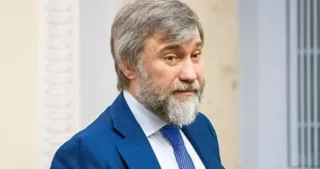
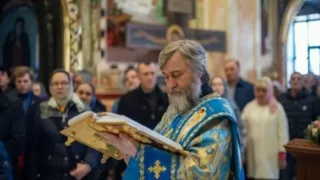
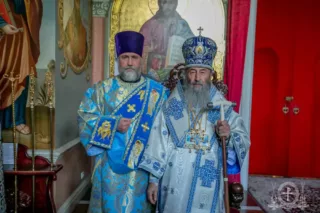
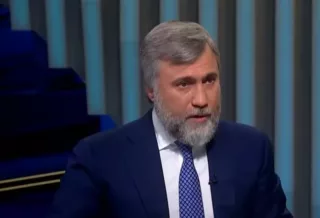
Former Ukrainian lawmaker and businessman Protodeacon Vadim Novinsky has been granted Serbian citizenship
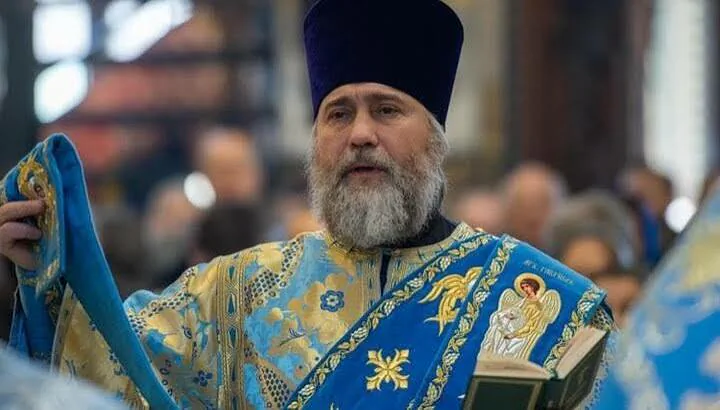
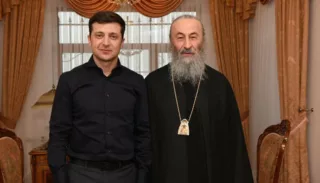
The Serbian government has granted citizenship to Vadim Novinsky, a former Ukrainian lawmaker, businessman, and protodeacon of the Ukrainian Orthodox Church. The decision was signed by Serbian Prime Minister Juro Matsut on September 24, 2026, as part of an expedited procedure allowing for the issuance of a passport in the national interest.
The news, reported by , has generated widespread coverage in Ukrainian media outlets such as LB.ua, Censor.NET, and Espreso. The reports emphasize that an investigation is underway in Ukraine into Novinsky on suspicion of treason. In addition, RSE notes that Serbian authorities have not yet provided any official comments regarding the specific reasons for granting citizenship to the businessman.
In response to the allegations, Novinsky’s lawyers described him as a “staunch defender of Ukraine,” pointing out that he himself is subject to sanctions imposed by the Russian Federation. However, the media have cast doubt on these claims, citing the lack of documentary evidence and noting that Russian sanctions against the businessman were lifted as early as 2020. They also mention his resignation from his parliamentary seat in 2022 and the subsequent imposition of sanctions by Ukraine’s National Security and Defense Council.
The situation surrounding Novinsky’s acquisition of citizenship has also drawn attention to a broader issue: according to RSE, since the start of the conflict in Ukraine, more than 300 Russian citizens have obtained Serbian passports through an expedited process. This fact, according to media reports, is causing concern among European Union officials, who are closely monitoring the actions of the Serbian government.
As a reminder, Vadym Novinsky, a former member of the Verkhovna Rada and protodeacon of the Ukrainian Orthodox Church (UOC), , previously revealed details of the negotiations with Patriarch Bartholomew that preceded the granting of the Tomos. During the meeting at the Phanar, the head of the Patriarchate of Constantinople relied on inaccurate information regarding the religious situation in Ukraine.
Read also