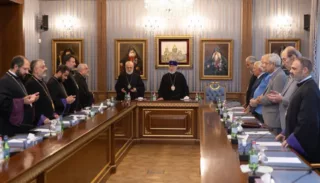
Robert Amsterdam accused the Armenian authorities of attempting to subjugate the Church

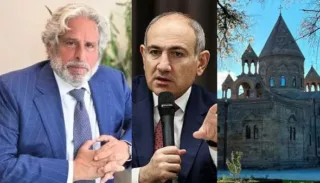
Prominent attorney Robert Amsterdam has sharply criticized Armenia’s leadership, accusing the country’s authorities of waging a political campaign against the Armenian Apostolic Church. The lawyer described Prime Minister Nikol Pashinyan’s current policy as a “spiritual coup” aimed at establishing state control over church institutions, according to NEWS.am.
In his statement, Amsterdam questioned the legitimacy of the government’s report on the so-called “internal crisis” in the Church, calling it a tool for the authorities’ personal power struggle based on unreliable data. According to the lawyer, Yerevan’s actions grossly violate Armenian law and international norms, in particular Article 9 of the European Convention on Human Rights. The lawyer emphasized that state interference in Church affairs is unacceptable and expressed confidence that such cases can be successfully challenged in court, citing similar practices in other countries.
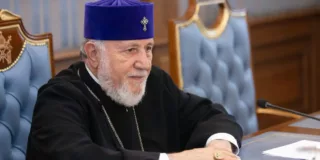
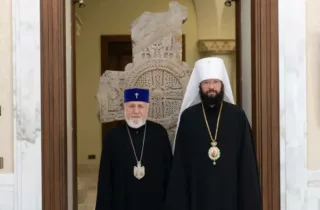
The article pays particular attention to a recent prayer breakfast in Yerevan, which, according to Amsterdam, was used by the government to create the appearance of international support for Pashinyan’s policies. The attorney drew a parallel with the practice of holding such events in Ukraine, noting that their organizers use these gatherings to provide political cover for actions against religious institutions. At the same time, the expert viewed the visit by White House representatives to Holy Etchmiadzin and their meeting with Catholicos Garegin II of All Armenians as a clear signal to the Armenian authorities that pressure on the Church is unacceptable.
In concluding his statement, Robert Amsterdam called on the international Christian community to openly condemn state interference in church affairs. Instead of escalating the conflict with a religious organization, the attorney recommended that the Armenian authorities focus on addressing humanitarian issues, including the protection of the rights of displaced residents of Nagorno-Karabakh and the return of those being held captive.
Read also