The Lithuanian Orthodox Church has refused to come under the jurisdiction of the Phanar despite pressure from the authorities
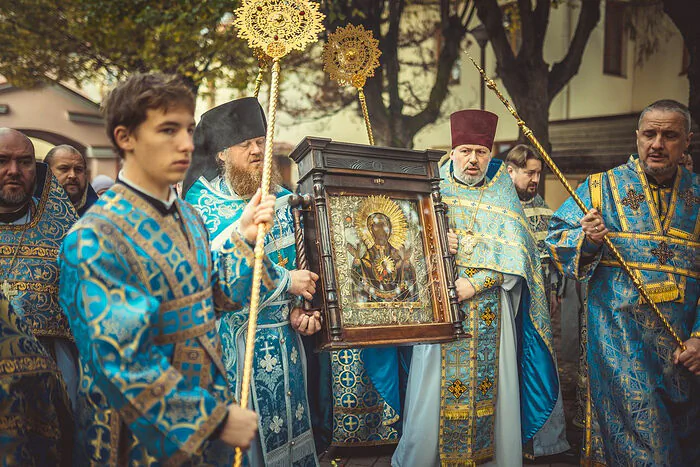
Hierarchs, monastics, and laypersons of the Lithuanian Orthodox Church (LOC) have expressed strong opposition to attempts to transfer parishes under the jurisdiction of the Patriarchate of Constantinople. Representatives of the largest monasteries and parishes in Vilnius sent official appeals to the Lithuanian Seimas, stating their intention to maintain their canonical affiliation despite political pressure and the legislative initiatives currently under consideration.
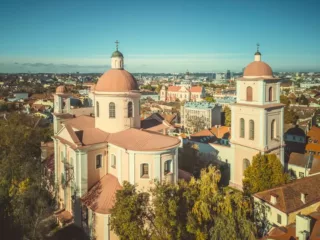
The brotherhood of the Monastery of the Holy Spirit and the parishioners of the Church of St. Paraskeva in Vilnius opposed two bills introduced by MPs Audronius Ažubalis and Arvidas Anušauskas. These initiatives could create a legal basis for the seizure of ancient churches and monasteries from the Lithuanian Orthodox Church, as well as call into question its status as a traditional religious community. Monks at the Monastery of the Holy Spirit described the accusations against the church as “political suspicions and fabricated charges,” emphasizing that they would not allow the transfer of sacred sites to the newly established Exarchate of Constantinople.
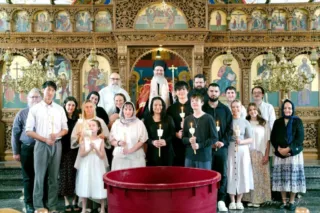
In their statement, the faithful recalled that the Orthodox community of Lithuania had supported the country’s independence as early as the beginning of the 1990s under Metropolitan Chrysostomos. Representatives of the Lithuanian-speaking parish of St. Paraskeva, where services have been conducted in the national language for over 20 years, emphasized: “We clearly and unequivocally declare that we do not intend to change our current canonical affiliation. Such decisions cannot be imposed against the will of the parishioners.”
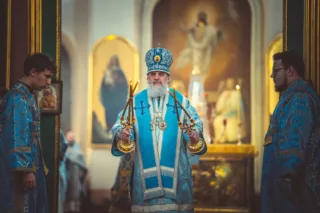
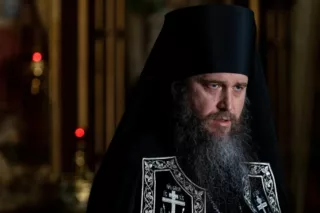
Metropolitan Innokenty of Vilnius and Lithuania also addressed the country’s highest leadership, pointing out the inconsistency of the proposed constitutional amendments. The metropolitan’s secretary, Father Sergiy Kazarinov, cited the December 6, 2007, ruling of the Constitutional Court of Lithuania, according to which the status of a “traditional” community is a historically established fact that the state recognizes, rather than one it creates at its own discretion. During a press conference, Auxiliary Bishop Ambrose of Trakai called the new exarchate an “artificial political project” lacking broad support among the country’s believers, and warned the authorities against attempts to bring external religious conflicts onto Lithuanian soil.
Read also