The OCU is getting one step closer to the diaspora
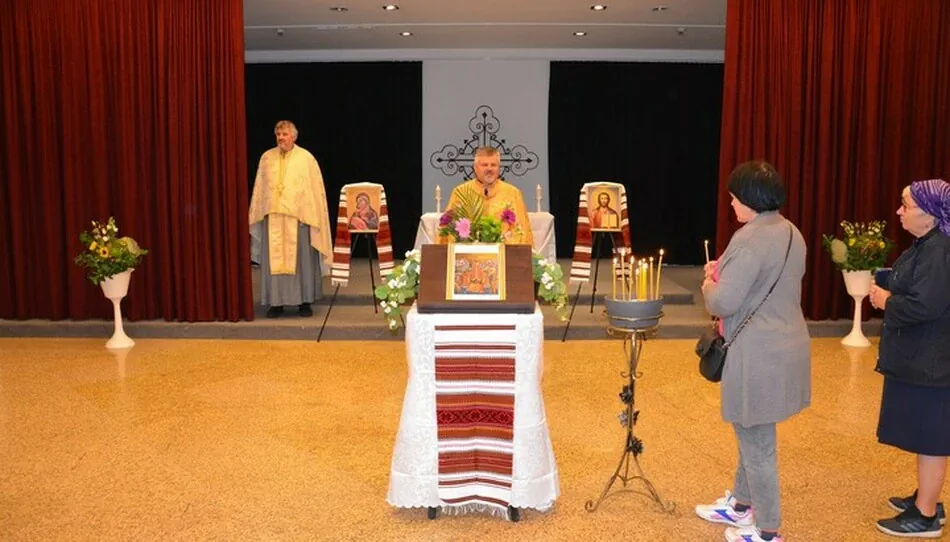
So, as we reported earlier, the OCU is intensifying its activities abroad under the guise of a “mission”. As of today, this format is already used in Poland, and, according to Pravblog, even in Japan. Now the OCU has decided to legalize this practice at the official level, having made certain arrangements with the head of the State Service of Ukraine for Ethnic Policy and Freedom of Conscience, Viktor Yelensky.
On the one hand, someone may think that in Europe there will be a “fair competition” between the UOC and the OCU, which cannot be influenced by any external forces. However, contacts between the OCU and the the State Service of Ukraine for Ethnic Policy and Freedom of Conscience on this topic should at least be alarming, because in case of certain agreements, representatives of the UOC may be restricted from traveling abroad at all. During the period of martial law, the authorities may use such a lever of influence on the Church.
In the same way, one should not underestimate the activities of Ukrainian consulates, which act as de facto lobbyists for the interests of the OCU abroad. Ukrainian refugees, in one way or another, cross paths with consulates in their countries of residence, which gives the representatives of these institutions the opportunity to conduct appropriate propaganda work. The effectiveness of the Ukrainian diplomatic corps in this matter was proved just recently by the example of the visit of the wife of the Serbian President Aleksandar Vucic to the Kiev-Pechersk Lavra, accompanied by an employee of the Reserve, Vice Vicar of the Monastery Mr. Lotysh. This happened despite the fact that the Serbian Church categorically rejects the recognition of the OCU and any contacts with representatives of this organization.
Separately, it should be noted that the establishment of such foreign missions by the OCU is not regulated in any way by the statutes of the organization, while the Tomos clearly indicates that the activities of the OCU in the diaspora are prohibited. Thus, it remains unclear whether the OCU in this case is acting in violation of the Tomos or, more likely, whether the ministers of religion who head such missions are placed under the direct subordination of the overseas bishops of the Patriarchate of Constantinople. This issue remains to be sorted out.
Read also