"I see no grounds": MP Knyazhytskyy believes that there will be no discontent in society because of the ban of the UOC
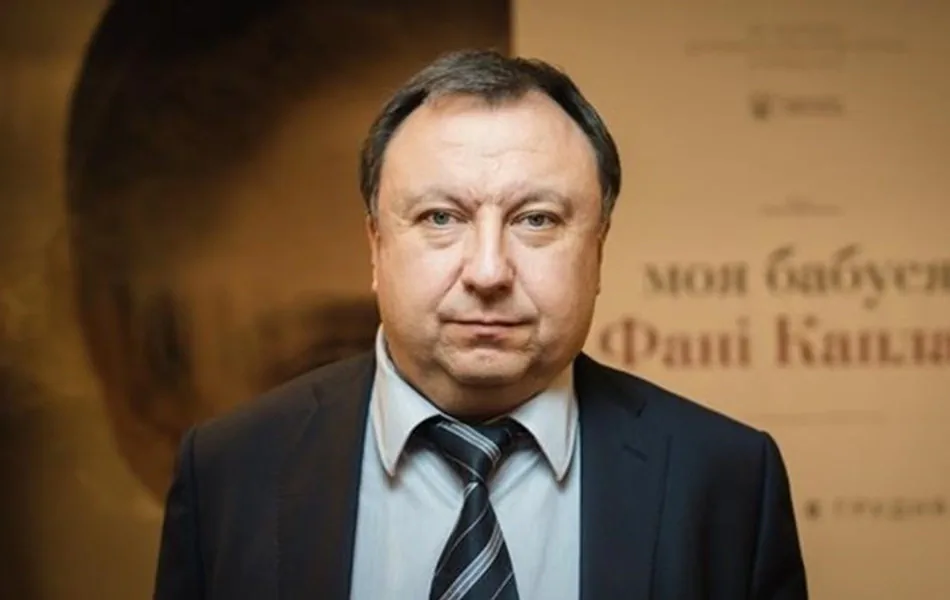
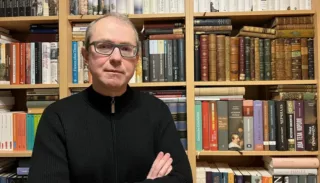
Mykola Kniazhytskyi, a member of the Ukrainian parliament from the European Solidarity party, believes that there will be no protests in Ukrainian society in connection with the ban on the Ukrainian Orthodox Church. The MP is convinced that society will be able to calmly adapt to the OCU, and that Orthodoxy as such is not prohibited in Ukraine. He said this in an interview with Gazeta.ua.
“I see no reason for this. Because, firstly, it will not happen that one day someone will come and seal all the churches. Secondly, there are not so many of these parishioners. Sociology says they make up 4 percent. Locally, they are concentrated in Central Ukraine and have the opportunity to continue to practice their Orthodox religion in a legal way,” — said Kniazhytskyi.
The deputy added that thanks to the new anti-church law, the OCU will have many times more churches, because nothing prevents the clergy and believers of the UOC from joining this organization.
“I do not believe in mergers, but I believe in an increase in the number of transitions to the OCU at the parish level. In the end, Onufriy is a Ukrainian, despite the fact that he has a Russian passport, originally from the Chernivtsi region. What prevents him from being in the OCU, like many other bishops of the UOC? The only thing that prevents him from being the first person there is that he cannot be the first person. Many people from the Russian Church in Galicia moved in 1991 either to the UOC-MP or to the Greek Catholic Church. And the Greek Catholic Church has many priests who were in the Russian church, just as the OCU is now. The Orthodox Church of Ukraine recognizes everyone who was baptized in those churches; no one needs to be re-baptized. It also recognizes the dignity of those priests,” — he added.
Earlier, the head of the State Service for Ethnic Policy and Freedom of Conscience, Viktor Yelensky, said that the Ukrainian Orthodox Church will be able to decide its future independently after it officially breaks all ties with the Russian Orthodox Church. Yelensky claims that after taking concrete steps in this direction, the UOC will be able to declare autocephaly, convene a Pan-Orthodox Council, or join the OCU.
Read also