Only the SSEFC will authorize contact with banned religious organizations
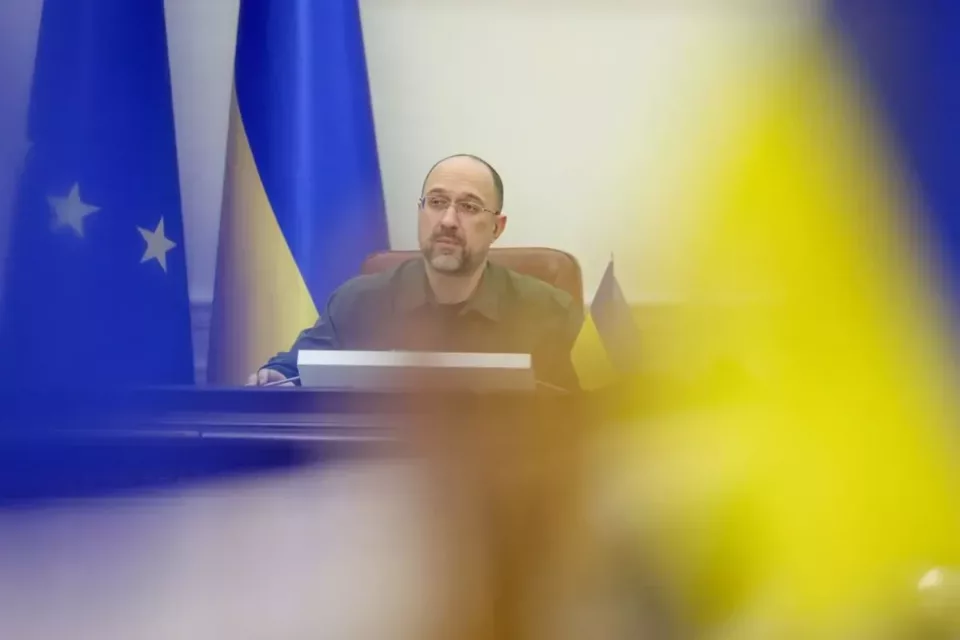
The Cabinet of Ministers of Ukraine has transferred the authority to authorize contacts with banned religious organizations to the State Service for Ethnic Policy and Freedom of Conscience. It is about the implementation of the provisions of the scandalous anti-church law No. 3894, which imposes a ban on individual contacts and cooperation with religious organizations banned in Ukraine, which, logically, include the Russian Orthodox Church, and in the future the Ukrainian Orthodox Church. This was reported by UNN with reference to the Cabinet of Ministers.
According to the representative of the government in the Verkhovna Rada, Taras Melnychuk, the Cabinet of Ministers approved the procedure for obtaining permission from the State Service for Ethnic Policy and Freedom of Conscience for contacts with a religious organization that is banned in Ukraine.
“The procedure defines the procedure for the State Service of Ukraine for Ethnic Policy and Freedom of Conscience to grant approval for relations and/or communications with a foreign religious organization whose activities are prohibited in Ukraine. The Law also approves the form of application for such approval, the list of information and additional documents to be attached to the application; the grounds for granting and refusing to grant approval. The procedure for monitoring the implementation of relevant relations and contacts with foreign religious organizations whose activities are prohibited in Ukraine has been determined,” – Melnychuk said.
Earlier, the head of the State Service of Ukraine for Ethnic Policy and Freedom of Conscience, Viktor Yelensky, said that there is no need to wait for the full implementation of Law No. 3894 to terminate contracts for the use of religious buildings that are architectural monuments by the communities of the Ukrainian Orthodox Church. The official claims that government agencies and local governments can already conduct relevant inspections to identify shortcomings and further expropriate movable and immovable property.
Read also