Estonian Parliament to consider anti-church law in the coming days
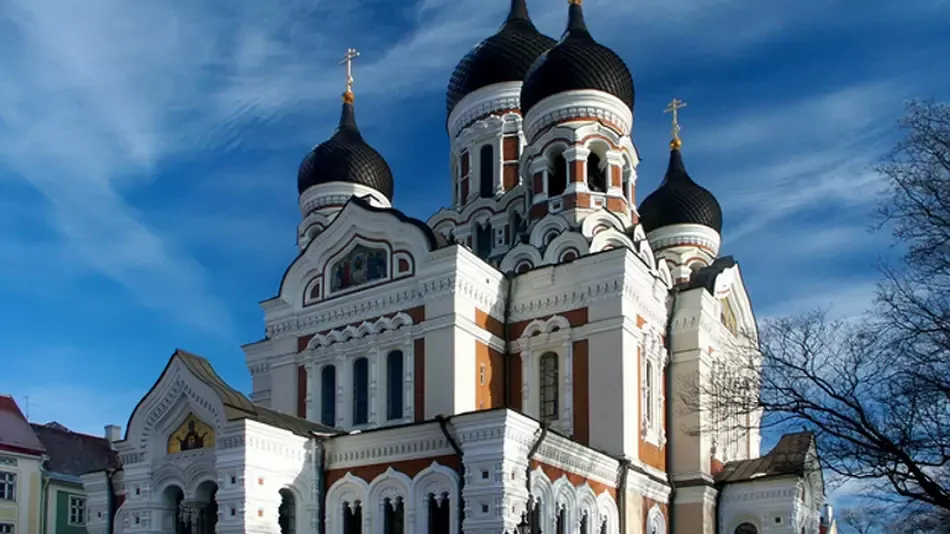
On February 10, 2025, the Legal Commission of the Estonian Parliament discussed a bill to amend the Law on Churches and Parishes, which was presented by Minister of the Interior Lauri Laenemets. The bill, among other things, aims to resolve the issue of subordination of the Estonian Christian Orthodox Church to the Moscow Patriarchate. This was reported by ERR.
The chairman of the commission, Andre Hanimägi (Social Democratic Party), said that in addition to legal issues, historical aspects were also discussed, and it was reiterated that the purpose of the bill is “not to ban any religion or close any church, but to clarify who can lead churches and religious associations, as well as what requirements are imposed on them.”
“Although, of course, there are very serious problems with the Moscow Patriarchate. /…/ However, the purpose of the bill is to clarify the requirements for who can statutorily manage religious associations, monasteries or churches in Estonia. Ultimately, the role of the legislator is also to ensure the security of the Republic of Estonia, which is a constitutional duty. And the law is above all, and it must be respected. This draft law gives those churches and monasteries whose activities do not fully comply with the new law the opportunity to make appropriate changes so that no church or monastery is closed. Ultimately, everything depends on what will happen with this law and what position monasteries and churches will take – whether they want to comply with the law or not. This is their decision,” – Hanimyagi said.
In turn, the Estonian Christian Orthodox Church responded to the bill. According to the Church’s lawyers, if the law is passed, it will significantly affect freedom of religion in the country.
”170,000 Christians will be left without their churches and monasteries, although their faith has not harmed anyone. The misleading statement of the Ministry of Internal Affairs that church buildings and parishes will not be closed is also incorrect. As members of the legal commission, you yourself understand that if legal entities associated with the Russian Orthodox Church in Estonia are liquidated in accordance with the law, they will cease to exist as owners and users of church property. Religious associations practicing Russian Orthodoxy will no longer be able to be registered in Estonia,” – the EOC stated.
Earlier, the abbess of the Pühtitsa Holy Dormition Stavropegic Monastery of the Russian Orthodox Church (Estonia), Abbess Filaret, published an open letter to the Parliament of the Republic of Estonia, in which she described the attitude of the monastery’s residents to the government’s legislative initiatives aimed at restricting the activities of the Estonian Christian Orthodox Church and the Pühtitsa Monastery of the Russian Orthodox Church. Abbess Filaret believes that the monastery, as well as the entire Ecumenical Christian Orthodox Church, is being subordinated to the Patriarchate of Constantinople, and these legislative initiatives not only violate the right of citizens to freedom of religion, but also push the church community to violate the canonical order.
Read also