Earlier we reported that the Estonian government plans that the Estonian Christian Orthodox Church will break all ties with the Moscow Patriarchate by the summer of 2025. The Ministry of Internal Affairs of the republic expects that the anti-church bill submitted to the Riigikogu will help in this.
Estonian government again refuses to register new name of Estonian Orthodox Church
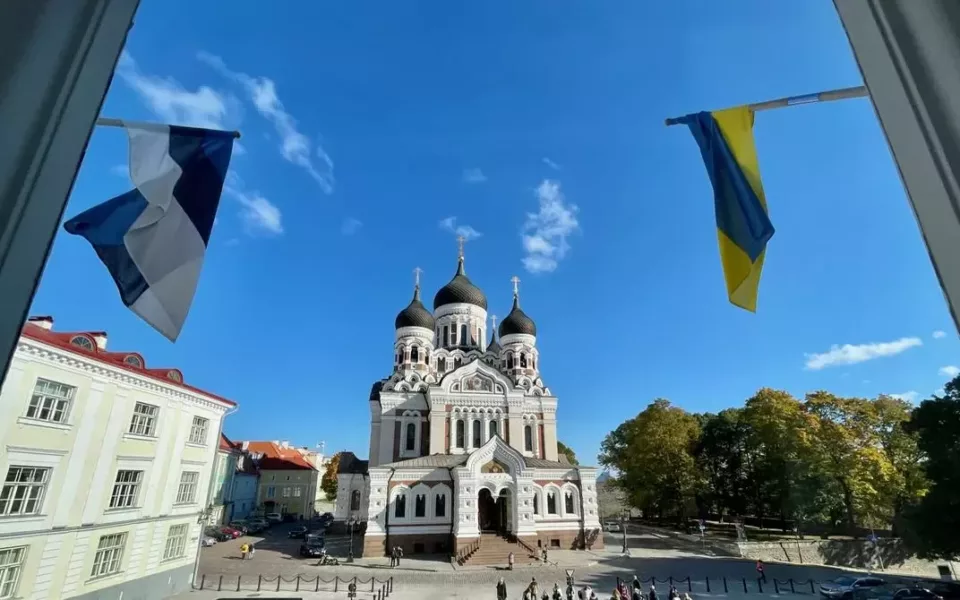
The Estonian government has again refused to register the new legal name of the Estonian Orthodox Church of the Moscow Patriarchate. Despite the fact that, at the request of the authorities, the EPC changed its name for the second time by submitting the relevant documents to the registration authorities, this was not enough for the republic’s authorities. The state is not satisfied with the fact that the new name “Estonian Christian Orthodox Church” allegedly “misleads as to the purpose and scope of its activities, as it creates a false impression that it is a Church that unites all Orthodox believers in Estonia.” This is reported by the official website of the EOC.
“On January 30, 2025, we received a decision of the registration department of the Tartu District Court to refuse to register the name we requested. We decided to appeal this decision in court, as it is important for us to protect our rights,” — said the hierarch of the Estonian Orthodox Church, Bishop Daniel of Tartu.
It is reported that according to the decision of the registration department, the new name is allegedly misleading as to the purpose and scope of activities, as it creates a false impression that it is a Church that unites all Orthodox believers in Estonia.
“We believe that the refusal to register the name Eesti Kristlik Õigeusu Kirik requires a clearer justification. The current decision raises questions and does not sufficiently explain why the chosen name is not appropriate. There are many churches and religious associations in Estonia whose official names contain the words “Eesti” and “Kirik”. These words are necessary to indicate both the geographical location and the essence of the organization,” — explained the representative of the MP MP, lawyer Artur Knyazev.
In turn, the Estonian Orthodox Church emphasizes that the refusal of the registration department to register the name Eesti Kristlik Õigeusu Kirik raises questions about equal treatment, given that that several religious organizations with similar names are officially registered in Estonia, such as Eesti Karismaatiline Episkopaalkirik and Eesti Karismaatiline Osaduskirik, Eesti Täisevangeelne Kirik and Eesti Evangeelne Luterlik Kirik, Uusapostlik Kirik Eestis and Eesti Apostlik-Õigeusu Kirik, and others.
“These examples confirm that the use of similar names is a common and accepted practice for religious organizations in Estonia. Therefore, it is unclear why an exception was made in the case of our Church and the registration of the name was denied. In our opinion, the new name correctly reflects the purpose and scope of our Church’s activities as a Christian Orthodox Church operating in Estonia. This name is clearly different from other religious associations, and the refusal to register it is a clear manifestation of the restriction of freedom of religion,” — added Bishop Daniel.
Read also