Patriarchate of Constantinople supports ban on Estonian Orthodox Church
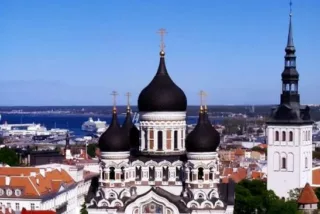
On March 13, 2025, the Public Relations Department of the Estonian Apostolic Orthodox Church of the Patriarchate of Constantinople issued a statement supporting the amendments to the Law on Religions and Parishes, which were introduced by the Estonian Parliament to ban the activities of the Estonian Orthodox Church of the Moscow Patriarchate. The EAOC offered the Estonian Church to form a vicariate within its organization, which will ensure the canonical status of the EOC MP after the legislative ban. The statement was published on the website of the EAOC.
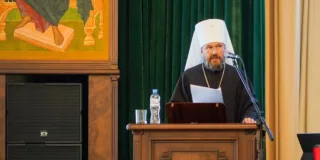
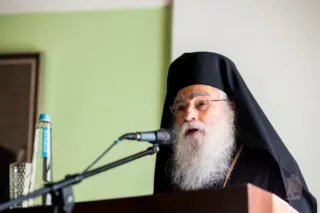
“The ideology of the Russian World is provocative, expansionist and unchristian. The root of the current problem was created not by Estonians or the Estonian state, but by the Moscow Patriarchate. The Moscow Patriarchate has also preached and supported the extremely dangerous ethnophobic doctrine of the “Russian World” against the Estonian Church. The state has made it clear that it does not intend to curtail the religious life of parishes, but demands that communication with Moscow be severed,” — said Metropolitan Stefan of the Estonian Apostolic Orthodox Church of the Constantinople Patriarchate.
Metropolitan Stefan added that in connection with the upcoming ban, he proposed to the clergy and faithful of the EOC MP to create a vicariate within the Metropolis of the Constantinople Patriarchate headed by him to ensure their canonical status. Instead of the Patriarch of Moscow, in his opinion, his name can be commemorated in the churches of the EOC-MP.
“I told our Russian brothers that I do not plan to subordinate their church to us. In implementing the idea of creating a vicariate, the bishops of the Estonian diocese of the current Moscow Patriarchate will mention the name of Metropolitan Stefan of Estonia at liturgies instead of Patriarch Kirill of Moscow, and, if possible, will sometimes serve with Metropolitan Stefan. At the same time, Russian-speaking communities will be able to follow their own church tradition, as they did before World War II. The decision will also restore Eucharistic communion in Estonia, which was unilaterally suspended by the Moscow Patriarchate in 2019. Despite the current difficult and challenging times that Orthodox Christians living in Estonia are experiencing, there is an opportunity to find reconciliation together and prepare for a future in which, while remaining faithful to our church principles and foundations, all Orthodox Christians living in Estonia will be able to coexist together in peace and love,” — he said.
Earlier, we reported that Estonian Prime Minister Kristen Mihal commented on the possible ban of the Estonian Orthodox Church in the country through the adoption of a law. Mihal believes that the law is justified because the Estonian Church is led by people “close to the Russian president.”
Read also