Estonian Parliament passed a law aimed at banning the Estonian Orthodox Church
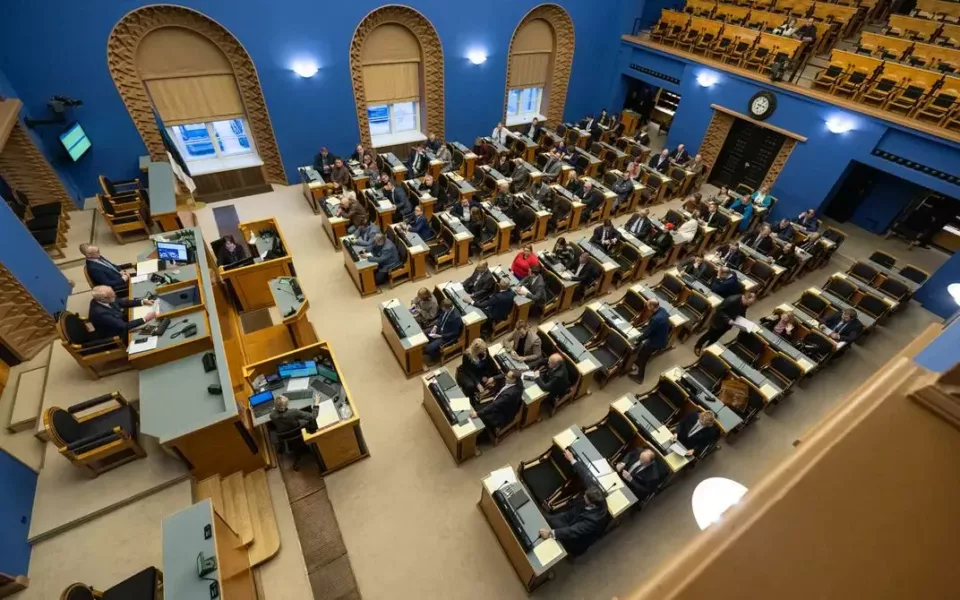
On April 9, 2025, the Estonian Parliament voted in the third and final reading to amend the Churches and Parishes Act, the ultimate goal of which is to restrict the activities of the Estonian Orthodox Christian Church. After this law comes into force, the EOCC will be induced to break relations with the Russian Orthodox Church and unite with the local diocese of the Patriarchate of Constantinople in Estonia. This is reported by ERR.EE.
It is reported about the following results of voting for the change of the mentioned law in the Riigikogu: “for” – 60, “against” – 13. A total of 89 deputies were in place, of whom 16 did not vote. The Estonian Parliament consists of 101 deputies.
MPs from the coalition (Reform Party and Eesti 200) voted “in favor”, as well as Antti Allas, Reili Rand, Andre Hanimägi, Ester Karuse, Tanel Kiik, Züleiha Izmailova, Lauri Läänemets, Raimond Kaljulaid of the Social Democratic Party, Jaanus Karilaid, Riina Solman, Andres Metsoya, Urmas Reinsalu and Henne Põlluaas of Isamaa, as well as the non-partisan Tõnis Mölder and Ann Eesmaa.
Against were mainly MPs from the Center Party and EKRE, as well as non-party MPs Peeter Ernits and Kalle Grünthal.
Not participating in the vote were reformists Maria Jufereva-Skuratovski, Luiza Ryjvas and Maris Lauri, Social Democrats Jaak Aab and Madis Kallas, EKRE representatives Arvo Aller, Rene Kokk and Antti Poolamets, Isamaa members Ants Frosch, Aivar Kokk, Mart Maastik and Priit Sibul, Eesti 200 MP Tarmo Tamm, ERK member Jaak Valge, non-party members Leo Kunnas and Kersti Sarapuu.
“It is paramount for the Estonian state to ensure security and constitutional order, and to guarantee peace and tranquillity for the people living here. We will also ensure that religious freedom continues to be preserved and that religion cannot be used against our state and people in the future. In the changed security situation, the structures operating in Estonia have no other option but to sever ties with the Moscow Patriarchate and free themselves from Kremlin narratives and influence. According to the law, a cleric cannot be a person who is banned from living or staying in Estonia for any reason. It is obvious that a religious organization and its followers in Estonia cannot be led or served by a person whom we do not allow to stay in the country for security reasons,” – said the head of the Estonian Ministry of the Interior Igor Taro.
Recall, earlier we reported that representatives of Estonian intellectuals published an open letter in defense of the Estonian Christian Orthodox Church. The letter was joined by university professors, doctors, artists and even representatives of other Christian denominations. The authors of the letter point out the inadmissibility of discrimination and selective attitude towards the citizens of the country, especially on religious grounds.
Read also