EOCC Thanks the President of Estonia for Protecting Constitutional Rights
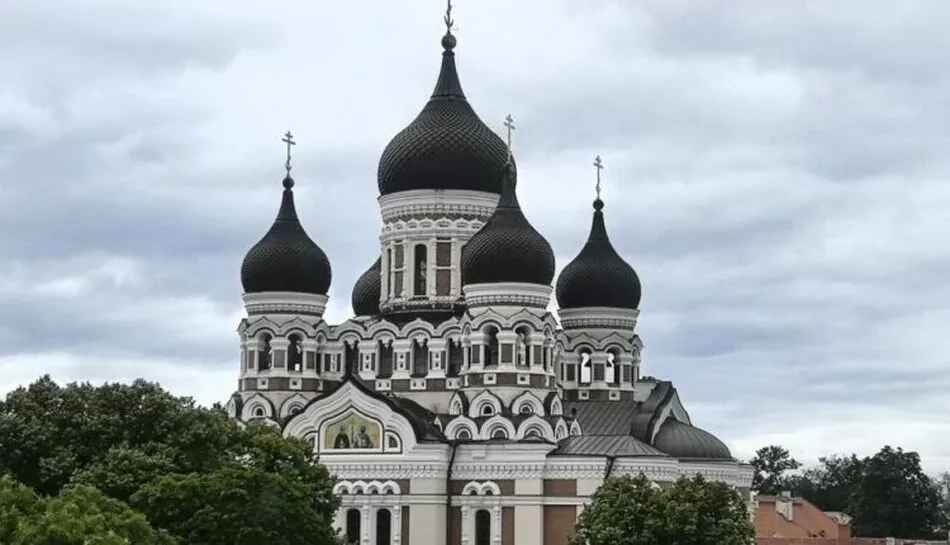
On April 24, 2025, the Estonian Orthodox Christian Church (EOCC) issued an official statement expressing sincere gratitude to the President of the Republic of Estonia, Alar Karis, for his principled stance on the draft amendments to the Law on Churches and Congregations.
According to the Church’s press release, the President’s decision not to promulgate the law adopted by the Riigikogu is a crucial step in protecting constitutional freedoms, particularly the freedom of religion and freedom of association. In the President’s opinion, the restrictions introduced by the bill are disproportionate and contradict the Constitution.
“The EOCC has always advocated for constructive dialogue between religious organizations and the state, based on mutual respect, legality, and democratic principles,” the statement emphasized. The Church also noted that it was forced to engage legal experts to defend its rights both nationally and internationally. The President’s decision, according to the EOCC, strengthened their confidence in the chosen path.
The Church expressed hope for the resumption of negotiations with the Estonian Ministry of the Interior. The EOCC believes that such a dialogue will allow the public and members of parliament to see that allegations of a threat to national security from the Church — which maintains a canonical connection with the Russian Orthodox Church — are unfounded.
“Throughout its history in Estonia, our Church has demonstrated loyalty to the state and respect for the people, consistently upholding democratic values, among which freedom of religion is one of the most important,” the statement said.
Finally, in the spirit of the Easter holiday, the EOCC expressed gratitude to its clergy and faithful for their perseverance, trust, and loyalty to the Church, as well as to all those who dared to publicly defend it despite ongoing information pressure.
As a reminder, Estonian President Alar Karis refused to sign the amendments to the Law on Churches and Religious Communities, stating that they contradict the country’s Constitution. He emphasized that the proposed changes limit the freedom of association and religion, thus violating fundamental rights and freedoms.
Read also