MP Poturaev accuses Cabinet and NACP of delaying implementation of law banning UOC
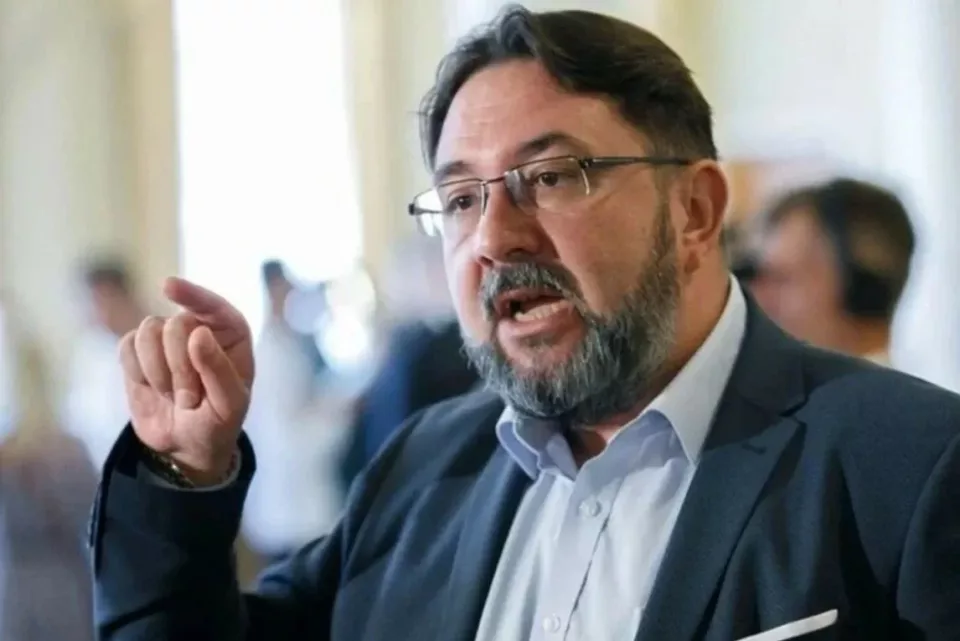
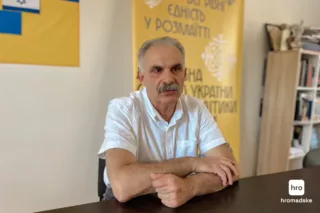
Ukrainian MP, chairman of the Verkhovna Rada Committee on Humanitarian and Information Policy and co-author of the law banning the UOC, Nikita Poturaev, accused the Cabinet of Ministers of Ukraine and the National Agency for the Prevention of Corruption of delaying the implementation of anti-church law No. 3894, which is aimed at banning the activities of the Ukrainian Orthodox Church. Poturayev believes that the process of banning the UOC could have been launched long ago, without waiting for the nine-month deadline. He said this in an interview with Glavkom.
“We have made it possible to respond to such things as the illegal five-story vegetable storage facility on the territory of the Kyiv-Pechersk Lavra, of which four floors are underground, built by Pasha-Mercedes (Metropolitan Pavlo Lebed). On the other hand, fuses were put in place to protect such buildings as monastery buildings from being taxed at the commercial rental rate. In other words, the law has a mechanism that allows distinguishing between purely commercial relations and the use of property that is part of the necessary for the functioning of a religious building,” — the MP said.
However, according to Poturayev, if the Cabinet of Ministers and the NAPC have any complaints about the provisions of the law, then there is no choice but to wait until all the shortcomings are eliminated.
“If the NACP really has some comments on the drafted regulations that cannot be approved by the Cabinet of Ministers, there is nothing left to do but wait for the deficiencies to be corrected. Without their correction, the Cabinet of Ministers will not approve the regulations, even though the deadline for doing so has long since passed. Meanwhile, the State Service for Ethnic Policy and Freedom of Conscience, although it could, according to some MPs, conduct inspections without waiting for the Cabinet to approve all regulations. However, without the government’s approval of all regulations, it will have no grounds to issue violation notices to religious communities, let alone sue them, after nine months of signing the religious law. And the communities themselves, as experience shows, are in no hurry to identify themselves with the Russian Church and change their church jurisdiction on their own,” — the MP concluded.
Earlier, we reported that the State Service of Ukraine for Ethnic Policy and Freedom of Conscience (DESS) still does not have reliable information about how many religious organizations in Ukraine have signs of “affiliation with the Russian Orthodox Church.” The State Service claims that the Cabinet of Ministers of Ukraine and the National Agency for Combating Corruption are preventing officials from starting the process of registering such legal entities and, as a result, implementing the provisions of anti-church law No. 3894.
Read also