Metropolitan Luke Addresses Hierarchs of Local Churches Amid Deepening Church Crisis in Ukraine
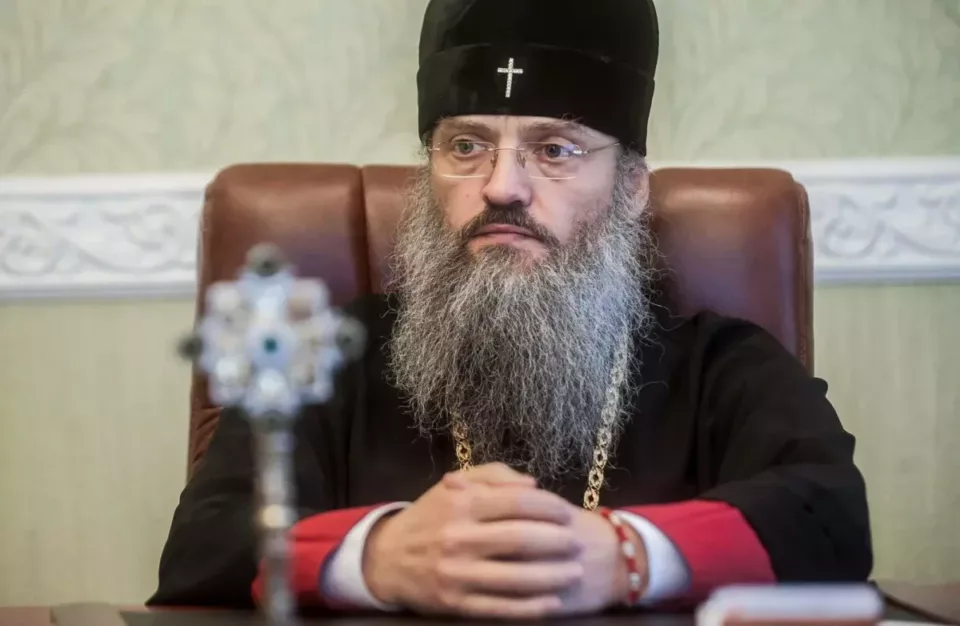
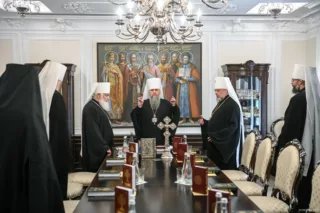
In an address to the hierarchs of the Local Orthodox Churches, Metropolitan Luke of Zaporizhzhia spoke of the deep crisis facing the Ukrainian Orthodox Church following the granting of autocephaly to the Orthodox Church of Ukraine (OCU) by the Ecumenical Patriarchate. In his letter, the metropolitan describes cases of persecution, violence, and church seizures, calling on global Orthodoxy to respond in a coordinated manner—both within ecclesiastical circles and on international platforms—to protect the canonical Ukrainian Church and restore unity. The text of the appeal was published on the Romfea website.
He also raises the issue of the need for broader dialogue and cooperation between Orthodox Churches, as well as with representatives of other traditional religions at the international level, to defend religious rights and counter growing pressure from state authorities.
In the letter, the metropolitan recalls that in January 2019, Ecumenical Patriarch Bartholomew signed the Tomos of autocephaly for the newly created structure named the “Orthodox Church of Ukraine.” According to Metropolitan Luke, this decision was made against the will of millions of faithful of the Ukrainian Orthodox Church and despite warnings from other Local Churches.
He claims that these actions triggered a crisis in Ukraine’s church life that has since spread throughout the Orthodox world. Meanwhile, he says, the Ecumenical Patriarchate continues to ignore the situation.
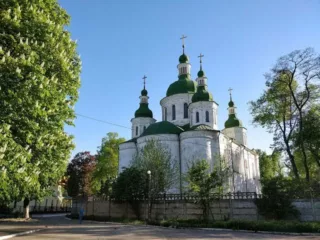
Metropolitan Luke reports that supporters of the OCU have seized over 1,000 churches, and clergy and faithful of the canonical Church have been attacked and injured. He cites an incident in Cherkasy where Metropolitan Theodosius nearly lost his life, and another in Chernivtsi in June 2025, where Metropolitan Meletius and clergy were seriously wounded during an attempted seizure of the cathedral.
In conclusion, the metropolitan calls on hierarchs of other Churches to publicly condemn the actions of the OCU and to exert pressure on the Ecumenical Patriarchate. He also proposes uniting efforts with other religious organizations on the international stage, including through participation in the UN Human Rights Council and the OSCE, to defend religious freedoms.
It is worth noting that Ukraine’s ambassador to Romania, Ihor Prokopchuk, has urged the Romanian Orthodox Church to recognize the OCU. Meanwhile, the recent incident in Chernivtsi on June 17, involving police and OCU representatives in a forceful attempt to seize a UOC cathedral, was portrayed by the diplomat as the result of “Russian interference” aimed at undermining trust between Kyiv and Bucharest.
Read also