“The shortage is obvious”: The government and the OCU complain about the unwillingness of UOC priests to join the schism
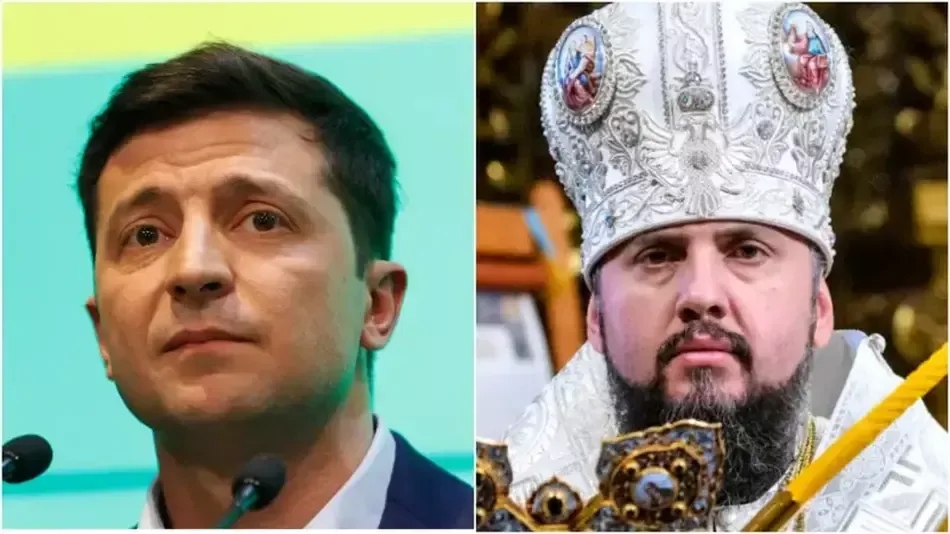
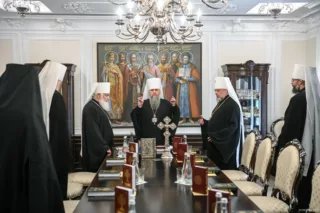
Representatives of the State Service for Ethnic Policy and Freedom of Conscience, together with the OCU, complain about the personnel crisis in the Ukrainian schism. The authorities complain that after the seizure of Ukrainian Orthodox Church temples in the regions, UOC priests refuse to transfer to the OCU, taking the most active parishioners with them. Under the current circumstances, a situation has arisen where one OCU cleric is forced to serve 4-5 parishes, and there are very few new clerics in the OCU because “service” in the organization remains low-paying. This was reported by Glavkom.
The head of the State Service for Ethnic Policy and Freedom of Conscience (DESS), Viktor Yelensky, confirms the staffing problem in the OCU: “The shortage of priests is obvious, because communities often transfer from the UOC to the OCU without a priest. In addition, the OCU must fill up to 70% of all chaplain positions in the defense forces, and our refugees abroad need care.”
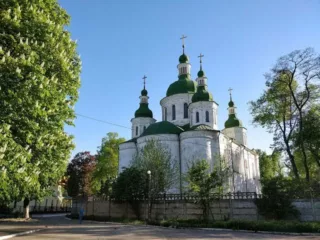
The publication notes that the situation is unlikely to improve after Law No. 3894 comes into full effect, thanks to which the Ukrainian Orthodox Church will be expelled from churches that are architectural monuments or are on the balance sheet of city and regional administrations. The media rightly argue that with the implementation of this law, the OCU risks acquiring a large number of religious buildings that it will simply not be able to maintain.
“This is related both to the number of young people who feel called to the ministry and to the capabilities of the seminaries themselves – in terms of personnel, infrastructure, and finances. This problem is not new – it was also acute during the time of the Kyiv Patriarchate,” – said religious scholar Alexander Sagan.
The OCU itself claims that the personnel crisis is due to the fact that “serving in the church” remains one of the least profitable occupations in the country. According to some representatives of the OCU, it is low salaries that deter young people from becoming “priests” in the Ukrainian schism.
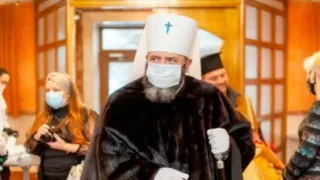
“Here, people often perceive a priest as someone who should live modestly, somewhere near the altar, serve, and ask for nothing more. But he has children who need education, clothing, and normal living conditions. In some parishes, the community pays the priest a minimum wage. But this is rather an exception. Basically, priests live on what they receive for baptisms, funerals, and prayer services. A lot of people come to church on Easter and at the end of the year, and that’s when they earn a little money for a few months. And then it’s tough again,” – complained OCU hierarch Volodymyr Shlapak.
It should be noted that Mykola Knyazhitsky, a member of the Ukrainian parliament from the European Solidarity party, believes that Ukraine could learn from the experience of many other countries and provide at least basic social protection for OCU clergy. Knyazhitsky complained that the shortage of personnel in the OCU is not least due to the fact that the organization has extremely low salaries and social security.
Read also