The President of Moldova has once again stated that Russia is exploiting the Orthodox Church of Moldova
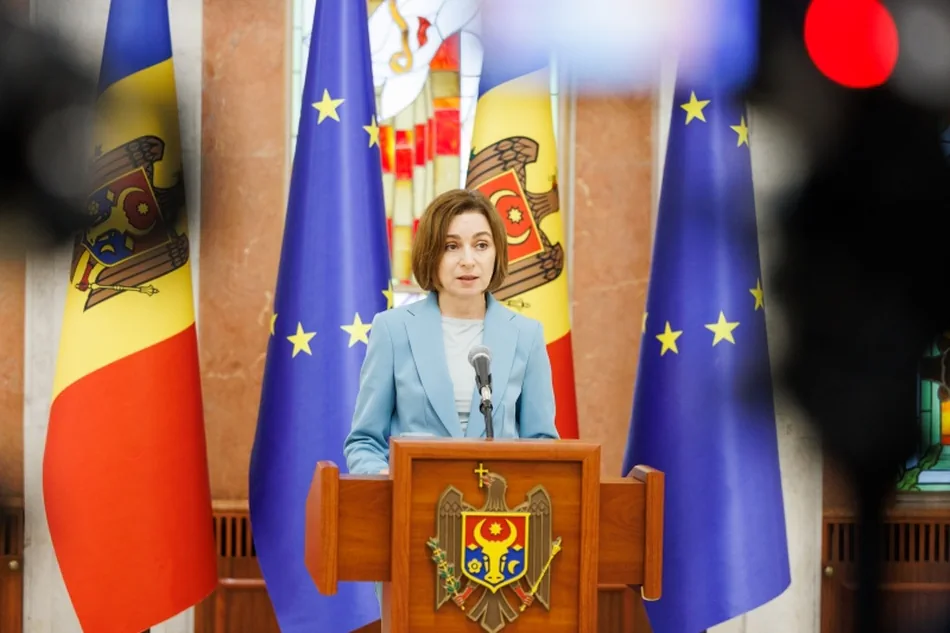
Moldovan President Maia Sandu has once again stated that Russia is using the Orthodox Church of Moldova to its advantage in order to strengthen its control over the republic. Sandu claims that Moldovans who go on pilgrimages to Russia are being trained to organize and carry out mass protests. This is stated in a statement published on the official website of the President of Moldova.
“The Russian Federation wants to control the Republic of Moldova starting this fall and is preparing unprecedented interference in the September elections (to be held on September 28 — ed.). The risks to public order and national security are high, and all institutions, as well as society as a whole, must realize the danger and take measures to protect themselves,” – Sandu said.
The president notes that agents of the Russian Federal Security Service are already training priests and believers of the Orthodox Church of Moldova on how to organize protests in the country, not only in reality but also on social media.
“The use of the church in the interests of a foreign state and the instrumentalization of religion — with the aim of spreading fear and radicalizing various segments of the population (for example, organizing pilgrimages to Russia, where people are taught how to conduct such events, media and logistical support from groups associated with Russia; actions of the Eurasia Foundation, registered by Shor’s team, with indirect external support, possibly from the FSB). Here I want to remind priests that betraying your neighbor and selling your country is a grave sin,” – Sandu added.
We will remind you that recently the Orthodox Church of Moldova responded to the statements made by President Maia Sandu at a press conference following a meeting of the Supreme Security Council. Sandu called the Church an instrument of Russian interference in the electoral process and accused clergymen of destabilizing the country. The PMC regarded these words as an attempt to prepare public opinion for future pressure on the canonical Church and possible repressive measures.
Read also