Estonian parliament passes church law rejected by president for third time
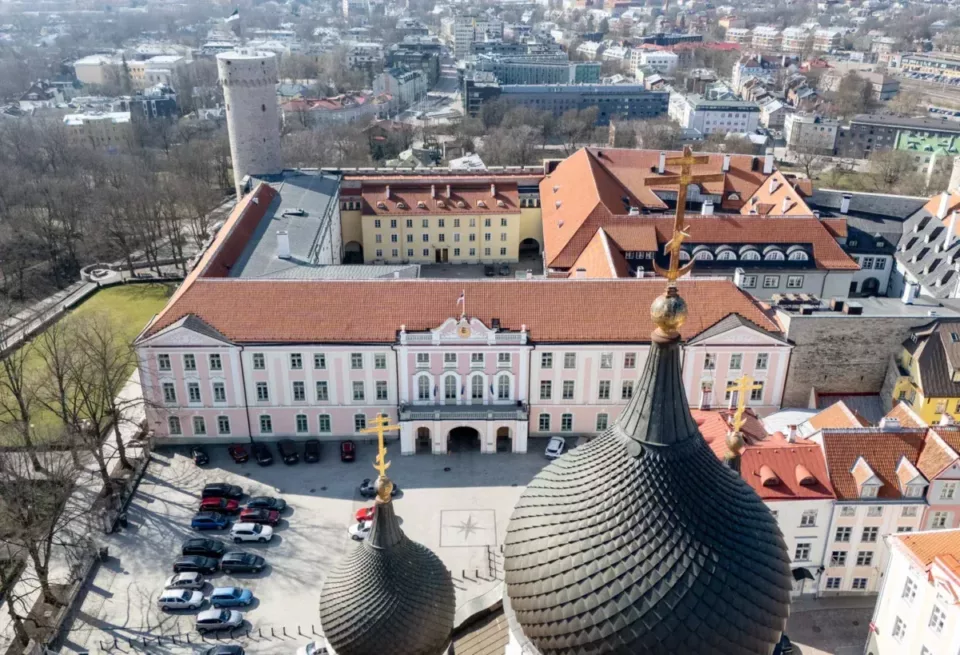
The Estonian Parliament has for the third time approved in its original version the Law on Churches and Parishes aimed at banning the Estonian Orthodox Christian Church. Sixty-three MPs voted in favor of adopting the document without amendments, while 15 voted against. The law will now be sent to the State Court to assess its compliance with the Constitution. This is reported by Postimees.
The confrontation between the Parliament and the President over this law has lasted since spring. The Riigikogu first adopted the government-initiated law on April 9, but on April 24 the president refused to proclaim it, citing disproportionate restrictions on religious freedom. on May 14, the parliament decided not to re-adopt the law without changes and proceeded to finalize it. The updated version, adopted on June 18, removed the ban on foreign leadership of a religious organization and extended the transition period from two to six months. Despite this, the president rejected the law again on July 3, stating that the changes made were insufficient and the document still contradicted the Constitution.
The explanatory note to the document notes that “the state, while respecting freedom of religion, must also take into account potential threats to state and public security.”
Thus, the law establishes who can be a clergyman or a member of the leadership of a religious organization in Estonia, as well as specifies the requirements for the statutes of such associations. In addition, the document provides for a mechanism by which a parish can withdraw from the Church if its activities, statutes or leadership do not meet the new requirements. To do so, the parish will only need to adopt a new charter and register the changes without the consent of the previous church leadership.
It should be noted that recently Estonian President Alar Karis once again criticized the law “On Churches and Parishes”, using which the Parliament of the country is trying to ban the Estonian Orthodox Christian Church. The head of state noted that this, as well as other laws of the country, should be approached with attention and detail, rather than making discriminatory amendments that would be selectively used against a particular group of citizens.
Read also