The Slovak Parliament passed a constitutional amendment recognizing two articles, sparking international condemnation.
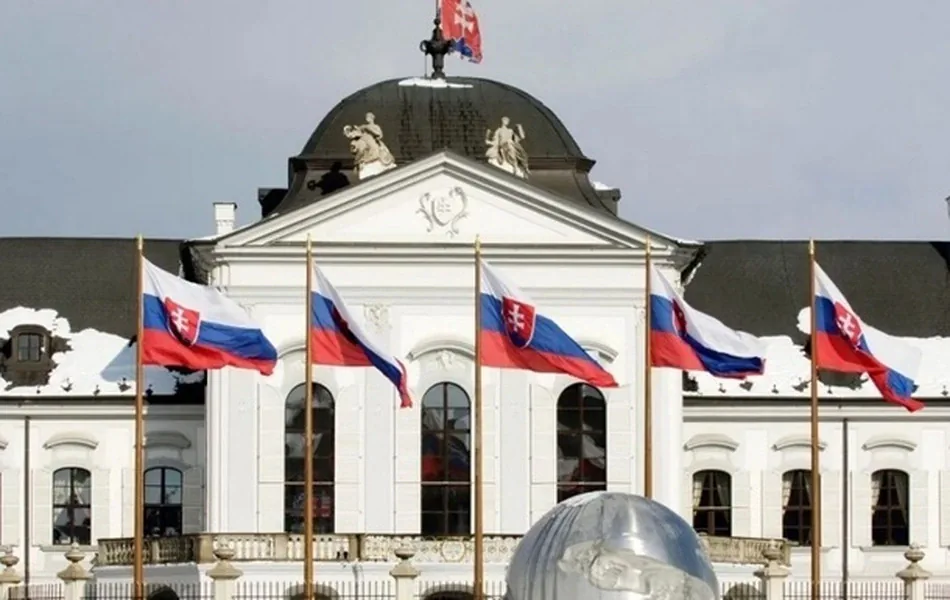
The Slovak Parliament has adopted an amendment to the constitution that recognizes only male and female genders and significantly complicates the adoption of children by unmarried couples. This move, initiated by Prime Minister Robert Fico’s government, has drawn sharp criticism from international human rights organizations, which fear it will undermine human rights and be incompatible with the country’s international obligations.
According to Euronews, a three-fifths majority was required to pass the amendment, and it was approved by 90 votes in the 150-seat National Council thanks to the support of 12 lawmakers from the conservative opposition. Now, the Slovak constitution officially recognizes only two genders — male and female. In addition, the document affirms Slovakia’s sovereignty in matters of “national identity,” which has no specific definition, especially in “fundamental cultural and ethical issues.” The amendment also makes it virtually impossible for anyone other than married couples to adopt children, although marriage has already been defined as a “unique union between a man and a woman.” Other changes include requiring parental consent for access to sex education and guaranteeing equal pay for men and women. Justice Minister Boris Susko told parliament that the amendment was intended to strengthen traditional values.
However, as Euronews notes, this move has been widely condemned internationally. Amnesty International said that the Slovak government “has decided to follow the example of countries such as Hungary, whose policies have undermined human rights.” Council of Europe Commissioner for Human Rights Michael O’Flaherty had previously called on Slovak lawmakers to reject these changes. According to him, they “deny the realities of life for transgender and intersex people and could affect human rights guarantees such as access to legal recognition of gender.” O’Flaherty stressed that the desire to abolish specific rights affecting “national identity” would be “fundamentally incompatible with the international obligations of the Slovak Republic.”
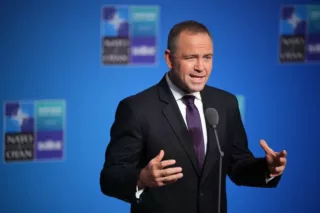
Prime Minister Robert Fico has long been a controversial figure both in Slovakia and in Europe. His critics argue that under his rule, Slovakia is moving away from its pro-Western course and leaning toward Moscow, similar to the policies of Hungary under Prime Minister Viktor Orbán. Euronews recalls that thousands of people have repeatedly taken to the streets across Slovakia to protest against Fico’s pro-Russian stance and other actions. Fico refused to join other EU countries in imposing sanctions against Russia and said that Ukraine would not be invited to join NATO.
We would like to remind you that we previously reported that the Cabinet of Ministers of Ukraine had appointed Ivan Verbytsky to the position of Deputy Minister of Culture. His responsibilities will include overseeing issues related to cultural heritage and museum affairs. The appointment attracted public attention due to the fact that Verbytsky is an openly gay man and LGBT activist.
Read also