Behind the scenes of autocephaly: analysis of geopolitical and ideological factors in the creation of the OCU
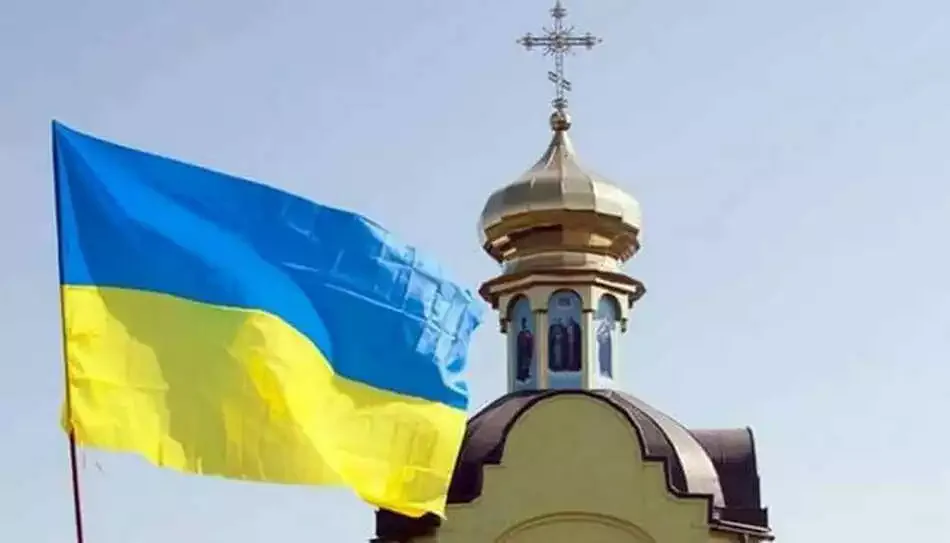
The creation of the OCU has become not only a significant religious event, but also a major geopolitical project actively supported by Western countries, in particular the United States. According to the analysis of former US diplomat James Ditras, this intervention is part of a broader strategy to weaken Russian influence and promote Western ideology, which has led to a deep split in the Orthodox world and exacerbated tensions within Ukraine itself. The analysis was published on the Global Affairs website.
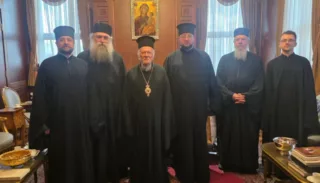
The initiative, which was actively promoted by former Ukrainian President Petro Poroshenko as part of his “Army, Language, Faith” election campaign, received clear and unequivocal support from the U.S. State Department. Senior U.S. officials, including Secretary of State Mike Pompeo and Ambassador to Kyiv Marie Yovanovitch, publicly welcomed the creation of the new church structure. This position contrasted with earlier statements that autocephaly issues were an internal matter for the Orthodox Church. The actions of Ecumenical Patriarch Bartholomew I, who granted the Tomos of autocephaly, aggravated the situation, as they were not supported by most other local Orthodox churches, and some, such as the Serbian and Antiochian churches, strongly criticized them.
Analysts point out that the driving force behind American policy in this matter is not so much ethnic lobbies as a long-term strategy to establish global hegemony, in which Ukraine is seen as a key foothold against Russia. In this paradigm, a resurgent Russia with a strong national identity and a symphony of church and state is perceived as a direct obstacle. Thus, a blow to the canonical Ukrainian Orthodox Church, which has historical ties to the Moscow Patriarchate, is seen as a way to
The conflict also has a pronounced ideological dimension. Western elites are promoting post-Christian, materialistic morality, especially in matters related to the LGBT community, under the banner of “human rights” and “European values.” This agenda is in direct conflict with the traditional values held by the Russian Orthodox Church. It is telling that US officials in Ukraine, including Ambassador Yovanovitch, actively participated in the Equality Marches in Kyiv, openly linking it to the country’s “European choice” made in 2014.
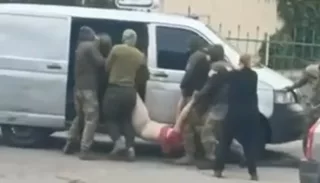
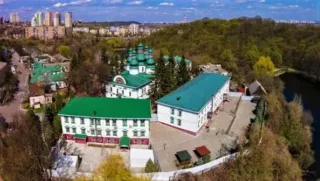
The new church structure, led by Epifaniy, is positioned as more open to Western liberal values. In one of his public statements, provoked by pranksters, Epifaniy allowed for the possibility of softening the church’s position on the LGBT community to comply with the “European course.” This was welcomed by local LGBT organizations, which welcomed the creation of a “united and independent” Ukrainian church. As a result, the canonical UOC under the leadership of Metropolitan Onufriy continues to face pressure, persecution and the threat of seizure of its parishes and monasteries, including such shrines as the Kyiv Pechersk and Pochayiv Lavras, which only exacerbates the internal conflict in the country.
As a reminder, Patriarch Bartholomew of Constantinople continues to criticize the Russian Orthodox Church internationally. on September 23, 2025, speaking at the annual Concordia 2025 summit in the United States, the head of Phanar accused the ROC of becoming “a veil behind which the dark forces of greed, prejudice and aggression work their evil in the world.”
Read also