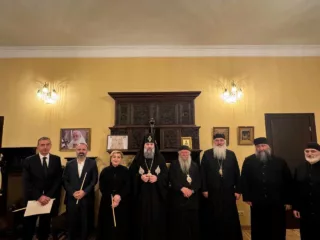
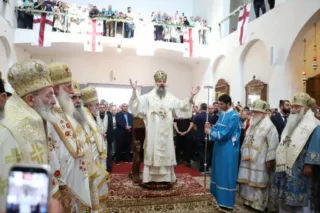
Georgia's clergy actively supports the opposition in the elections, despite the Patriarchate's call to observe neutrality
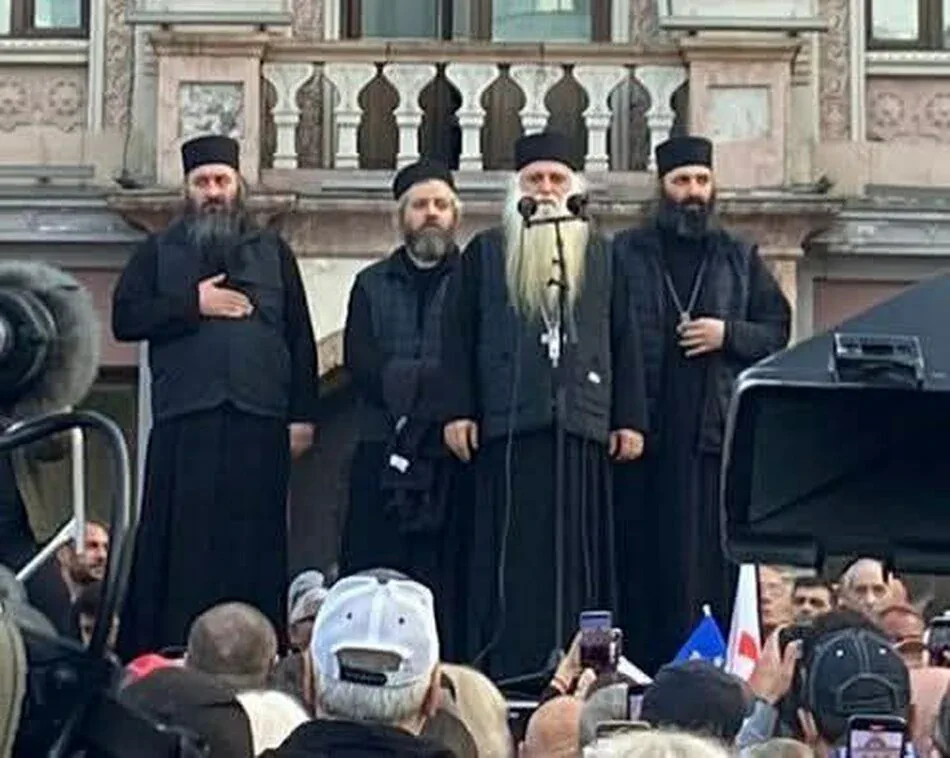
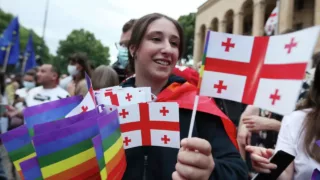
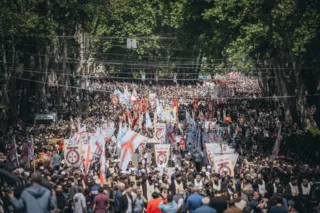
Against the background of the October 4 mayoral and municipal council elections in Georgia, the Georgian Patriarchate appealed to the clergy to maintain political neutrality. However, despite the official position, many clergy openly side with the opposition forces, indicating growing tension within the Church and in society.
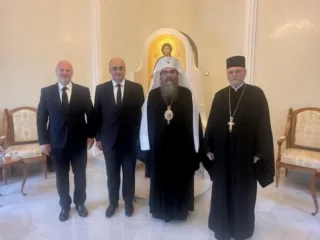
According to Telegram channel Black and White, on the morning of the voting day, the Patriarchate published a proclamation emphasizing the inadmissibility of clergy involvement in political confrontation. “The elections in the whole of Georgia are accompanied by a very tense background. Unfortunately, clergy are constantly trying to be drawn into the confrontation, which is wrong. The Georgian Orthodox Church, as the unifying force of our nation, cannot take the side of any political party,” the statement reads. The Patriarchate also distanced itself from radical calls that could lead to confrontation.
Nevertheless, the call has caused a mixed reaction among some of the faithful and the clergy itself. There is criticism online of the Patriarchate’s leadership, particularly the head of the public relations department, Archpriest Andria Jagmaidze. He is accused of speaking with an “anti-Georgian” agenda on behalf of the incapacitated Patriarch Ilia II, whose opinion, according to critics, has always been on the side of the people.
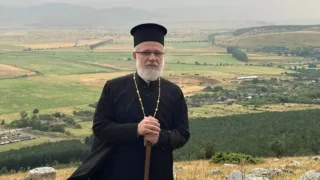
The situation is exacerbated by pressure from the Georgian opposition, which is demanding that the Georgian Orthodox Church more clearly distance itself from Russia and the Russian Orthodox Church. One of the most prominent church figures supporting the opposition is Archimandrite Dorofei (Kurashvili), who has previously been summoned to the Patriarchate for a conversation. Analysts note that the office of the Patriarchate has found itself in a difficult position trying to maneuver between the ruling Georgian Dream party and the sentiments of a significant part of the clergy, and in the near future it will probably have to make a difficult choice.
It should be reminded that on July 21, the Patriarchate of the Georgian Orthodox Church made a public statement in which for the first time it clearly expressed its concern and disagreement with the course of European integration. The reason for this position was the recent recommendations of the European Union to Georgia, in particular the demand to repeal the legislation protecting the sanctity of the family and restricting LGBT propaganda among minors.
Read also