In Latvia, the neo-pagan movement Dievturiba is officially recognized as a traditional religion
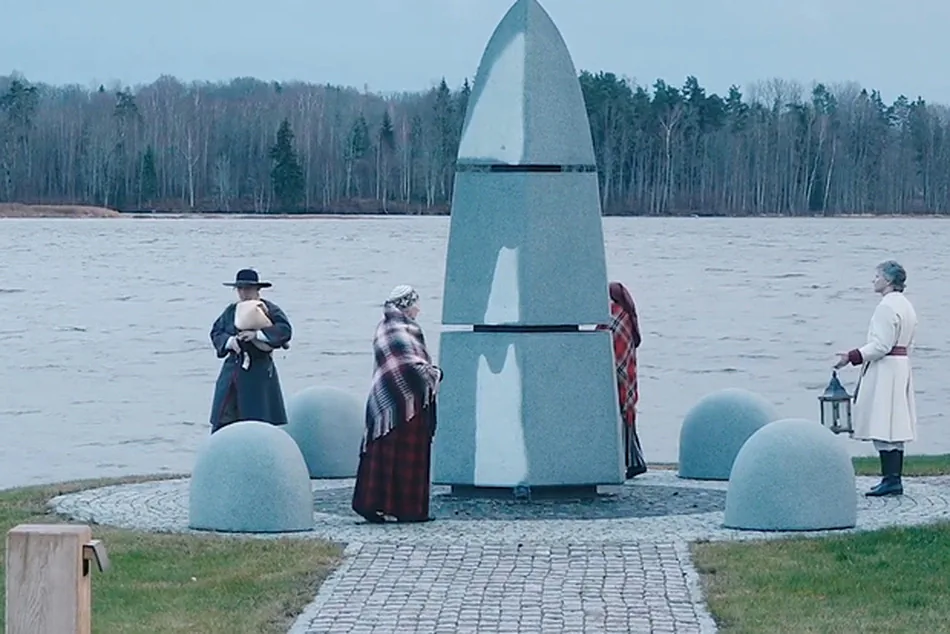
The Latvian Saeima has passed a law officially recognizing the neo-pagan religious movement Dievturiba as one of the country’s traditional religions. The decision grants followers of the ancient Latvian beliefs new legal rights and enshrines their status at the state level, including the right to register marriages and chaplaincy services.
Dievturiba is a modern religious movement that emerged in the 1920s and is based on the reconstruction of pre-Christian beliefs and traditions of the Latvian people. Its followers, called dievturiba (“God worshippers”), pay much attention to elements of national folklore, in particular, folk songs – dainas. It is important to note that dievturiba is a modern interpretation, not a direct continuation of ancient pagan cults of the Baltic tribes.
According to Delfi.lv, the new “Law on Dievturiba” is designed to establish legal regulation of relations between the state and the Latvian Dievtur community. According to the law, the community receives the status of a legal entity, rights to self-government and self-determination. One of the key innovations is the possibility for the priests of the dievturiba to conduct marriage registration ceremonies with full legal force.
The law also protects the community’s property rights and defines its educational rights. Priests-dievturiba are also granted the right to conduct chaplaincy service in state institutions, including the army, which equalizes them in rights with representatives of other traditional confessions in Latvia.
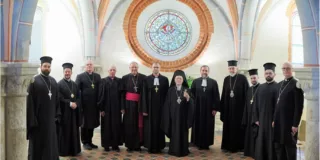
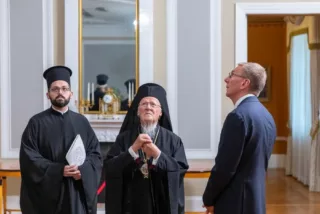
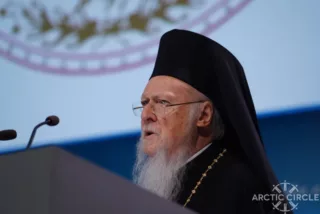
On September 12-13, Patriarch Bartholomew of Constantinople visited Latvia. The head of the Phanar held a number of meetings with top officials, discussing changes in the status of the Latvian Orthodox Church.
Read also