Religious communities in Albania opposed the draft law on gender equality
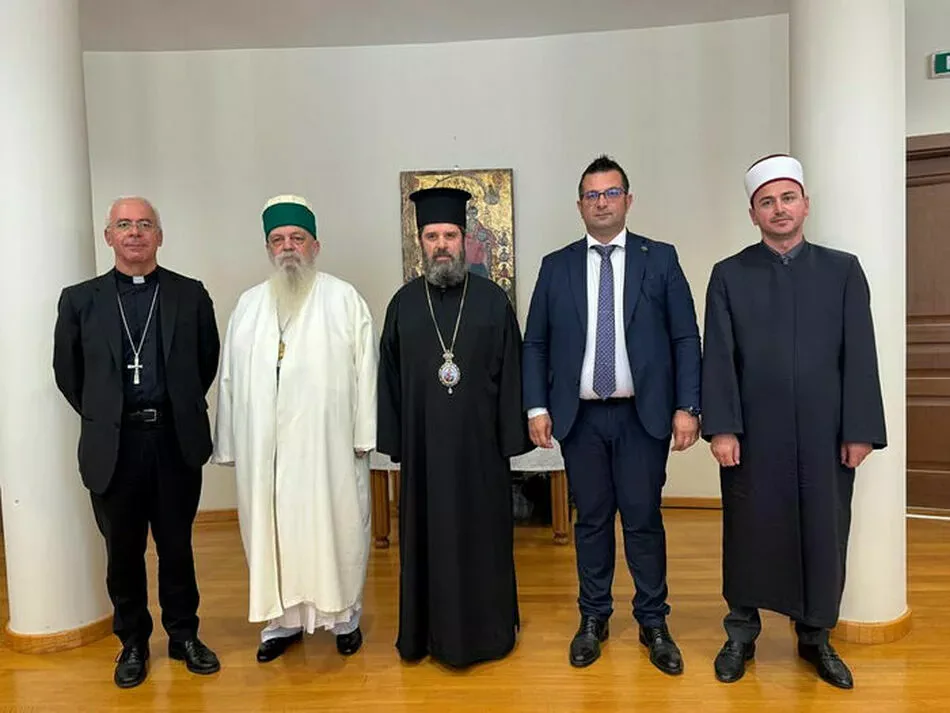
Albania’s five largest religious communities, including the Albanian Orthodox Church, have issued a joint official statement opposing the new draft law “On Gender Equality”. According to the denominational leaders, the proposed law threatens to impose harmful ideological concepts on Albanian society, undermining traditional values and the role of the family in raising children.
In an official letter sent to the president, parliament and government of Albania, the country’s Interreligious Council, representing the Orthodox, Catholic, Evangelical, Muslim and Bektashi communities, expressed serious concern. The faith leaders emphasized that while they “fully support respect and equality for every human being,” the bill contains provisions that create legal uncertainty and could lead to difficulties in its practical application.
Central to the criticism was the concept of gender theory embedded in the law, divorced from biological reality. “By changing the understanding of gender and elevating it to a fully self-defined dimension, the bill detaches the individual from his or her biological nature and replaces it with a fluid, subjective and unstable concept of identity,” the statement said. According to the council, it undermines the foundations of human nature.
Religious leaders are particularly alarmed by the provisions regarding the education of children. They argue that the law “provides for education on these issues without respecting the primary role of the family and the natural right of fathers and mothers in the educational process.” They say this could lead to “uncertainty and confusion in the formation of children’s identity,” and early exposure of minors to such concepts in a school setting “could do more harm than good.”
The Interfaith Council also criticized the enforcement mechanisms in the draft law. It fears that the envisioned “control mechanisms and sanctions may become instruments of coercion and punishment aimed at social reform by imposing concepts” that are alien to the cultural and moral tradition of the majority of the population. In addition, the introduction of mandatory gender quotas, according to the authors of the letter, undermines the principle of meritocracy by seeking “equality in results rather than in opportunities.”
In conclusion, the religious communities called on the Albanian authorities to hold broad public consultations before adopting any legislative initiatives of this nature. They expressed their willingness to engage in an open and constructive dialog in order to protect human dignity and promote peace and understanding in society.
Read also