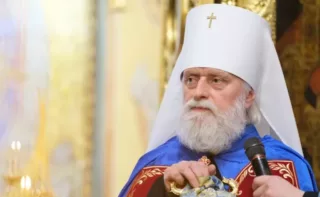
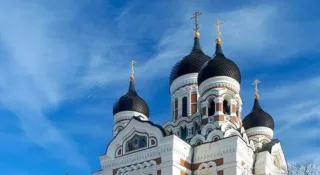
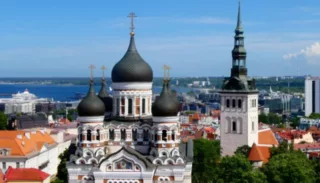
The Synod of the EOCC has determined a position on the Law on Churches and Parishes for the State Court
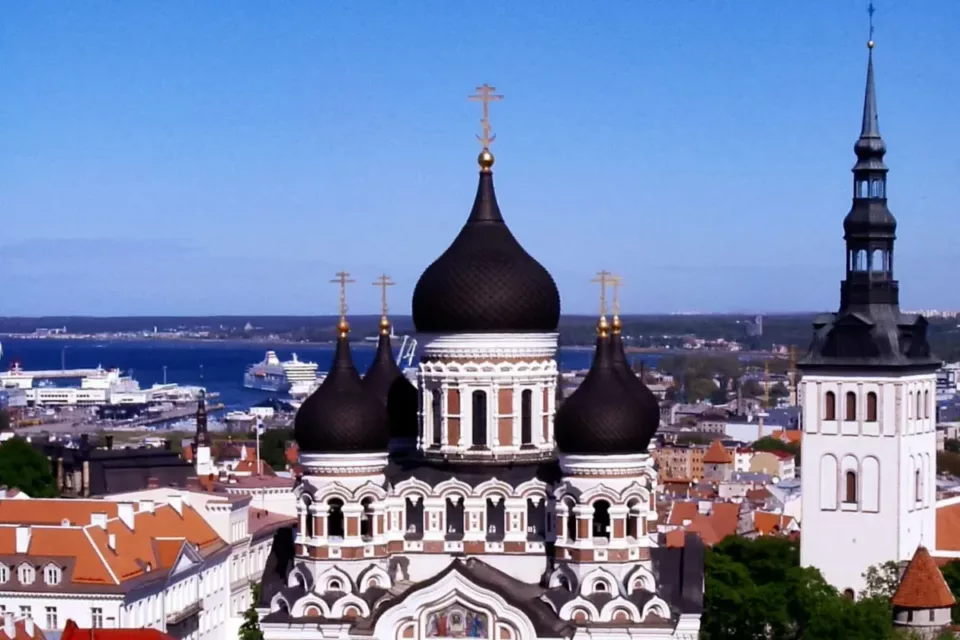
The Synod of the Estonian Orthodox Christian Church (EOCC) at its meeting on November 14, 2025, discussed and formed its official position on changes to the law on churches and parishes. This step was taken in response to a request from the Estonian State Court, which is currently reviewing the constitutionality of the law.
According to the EOCC press office, the need for an opinion arose after Estonian President Alar Karis refused to proclaim the law for the third time on October 3, 2025. The head of state sent a petition to the State Court to recognize the act as unconstitutional. According to the President’s assessment, the law disproportionately restricts the freedom of association and religion, contradicting Articles 11, 40 and 48 of the country’s basic law. The State Court, in turn, gave the interested parties an opportunity to present their positions until November 18.
In addition to the key topic, the Synod meeting also dealt with current issues of church life. Bishop Daniel of Tartu reported on the results of the celebrations on the occasion of the anniversary of the St. George parish in Tartu. Chairman of the Publishing Department Sergei Myannik also reported on the progress of the preparation of the Christmas issue of the church newspaper “Orthodox Sobesednik”. In addition, the participants of the meeting took note of the information about the past elections of the Bishop of Tartu in the Estonian Apostolic Orthodox Church.
Recall, earlier we reported that Estonia is increasingly resorting to the “Ukrainian experience” in the fight against Orthodoxy. This time the Estonian media published the data of a state-commissioned opinion poll, according to which the number of supporters of the separation of the Estonian Orthodox Christian Church (EOCC) from the Moscow Patriarchate allegedly increased in the country. The results of the survey show that 58% of the country’s residents believe that such a step is justified against the backdrop of the political discussion around the amendments to the Law on Churches and Parishes, which is intended to ban the activities of the EOCC.
Read also