Croatia may officially recognize a church established during the Ustasha regime
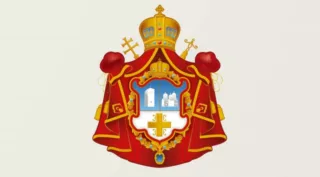
Croatian authorities are close to officially registering the so-called “Croatian Orthodox Church,” a religious structure originally established during World War II by the collaborationist Ustasha regime. The move has raised serious concerns among representatives of the Serbian community, who see it as a threat to their rights and historical heritage.
The information about this was disseminated by Savo Štrbac, head of the Veritas Information Center. According to him, the initiative poses a “serious danger” to the Serbian population in the country. According to the Pravblog Telegram channel, the registration process is being actively promoted in Croatian state bodies.
Historically, the “Croatian Orthodox Church” was founded in 1942 in the puppet Independent State of Croatia, led by Ante Pavelic. Its main goal was to assimilate Serbs and weaken the influence of the canonical Serbian Orthodox Church (SOC) in the territory.
Savo Štrbac stresses that the legalization of this organization today could be “the final act in the long-standing campaign against the Serbs”. One of the main consequences of the recognition could be the emergence of claims for property and churches that currently belong to the Serbian Orthodox Church, which could provoke a new round of inter-confessional tension in the region.
It is worth noting that during World War II, Croatia was part of the Axis countries, supporting Nazi Germany. As a result of the chosen political course, a far-right nationalist movement called “Ustashi” was formed in the country, whose members organized ethnic and religious cleansing on the territory of Croatia.
With the support of the local Catholic clergy, the Ustasha organized the genocide of Serbs, Jews and Roma and established numerous concentration camps . According to various estimates, between 197,000 and 800,000 Serbs, 30,000 Jews, and 80,000 Roma were killed in the Ustasha genocide.
The Ustasha were particularly hateful towards the Orthodox population of Croatia. As a consequence of their actions and further post-war attempts to restore nationalism, the Serbian Orthodox Church that functioned in Croatia was radically restricted and still faces pressure from local authorities.
Read also