The Orthodox Church of Finland has endorsed LGBTQ+ support and the updating of liturgical service books
At the fifth plenary session of the Church Council 2025, the Orthodox Church of Finland (within the Patriarchate of Constantinople) adopted a number of key decisions concerning its internal life and administration. The Council approved initiatives to protect the rights of sexual minorities, update the liturgical compendium “Euchologia” and develop quality indicators for church activities. At the same time, consideration of the 2026 budget was postponed.
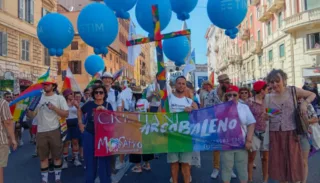
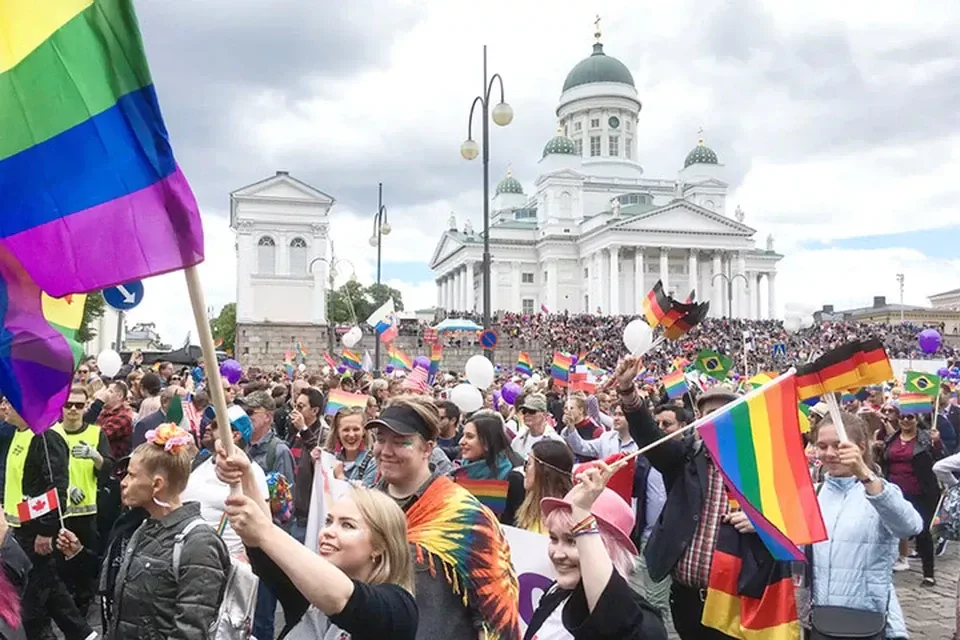
One of the most scandalous decisions was the approval of an initiative to recognize and protect the rights of sexual, gender and other minorities in the church. The council decided that all church members, regardless of their sexual identity, should feel safe and face equal treatment. The church plans to develop educational programs and guidelines to support “inclusiveness,” noting that its pastoral work must comply with Finnish law.
The Council also gave the green light to the creation of an updated edition of the liturgical compendium Euchologion (Pyhien toimititusten käsikirja). The current edition, which has been in use since 1974, is recognized as outdated in terms of language and content. A working group led by the episcopate will be set up for this purpose, and 9,000 euros will be allocated for translations, editing and publication over three years. Before the final version is released, a trial version will be prepared to gather feedback from the clergy.
Public funding was also discussed at the meeting. The council rejected a proposal to develop principles for responding to possible cuts in state subsidies, noting that the church must adapt its activities in accordance with ministerial decisions. However, it was decided that from now on the members of the cathedral will be provided with a detailed report on the use of public funds.
Recall, earlier it was reported that in Canada, Protestant minister Derek Reimer faced the threat of imprisonment after publicly criticizing an event for children with the participation of trans artists. His refusal to sign a court-required written apology aggravated his legal situation, sparking a debate about freedom of speech and religion in the country.
Read also