Christmas crèche with Ustasha symbols on display in Croatia
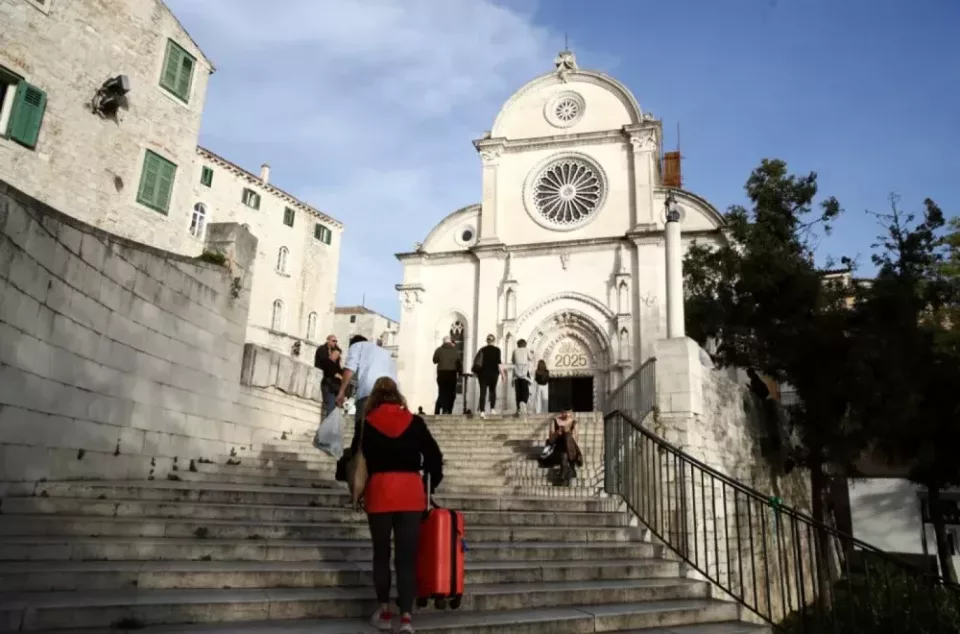
In the Croatian city of Šibenik, a Christmas crèche installed in the church of Gospa van Grada provoked a significant public outcry. This year’s installation departed from the usual religious subject matter by incorporating political and historical symbols from the World War II period, as well as revisionist interpretations of history, which immediately sparked accusations of historical revisionism and promotion of Ustasha ideology.
In addition to the traditional figures of the Holy Family, the composition included the flag of the Croatian Defense Forces (HOS) and a number of other banners. The black crosses with the Croatian coat of arms beginning with a white field, a symbolism inextricably linked to the Ustaše movement, caused particular outrage. The installation was complemented by plaques with lists of mass graves of Croats from World War II.
According to B92.net, the texts accompanying the Christmas crèche contain extensive revisionist interpretations of 20th century Croatian history. In particular, they refer to the greeting “Za dom spremni” (For the homeland is ready), widely known as an Ustasha slogan, which was attempted to be attributed to a number of authoritative historical figures.
In addition, the explanatory texts pay special attention to the role of Muslims in the Independent State of Croatia (NDH), describing them as loyal citizens of this entity and claiming that Muslims were the majority in some Ustasha formations.
The partisan movement is also criticized. In the explanatory texts it is alleged that there were “massive sufferings of Croatian fighters” in battles such as the battle of Sutjeska, as well as accusations of systematic extrajudicial killings allegedly committed by partisans after the war, the victims of which were, in particular, a large number of members of the clergy.
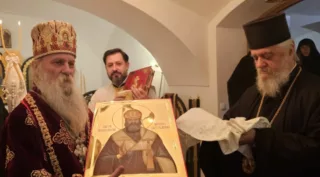
Recall, earlier we reported that the Croatian authorities are close to officially registering the so-called “Croatian Orthodox Church ” – a religious structure originally established during World War II by the collaborationist Ustasha regime. The move has raised serious concerns among members of the Serb community, who see it as a threat to their rights and historical heritage.
Read also