British MPs call on Anglican Church to refuse to allocate 100 million pounds for slavery reparations
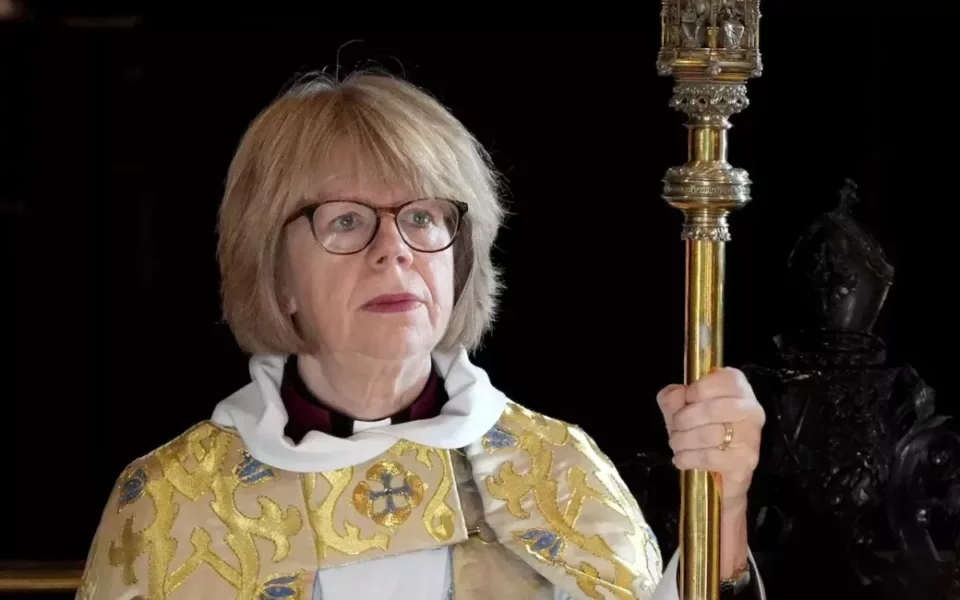
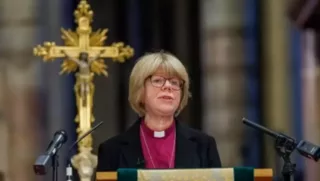
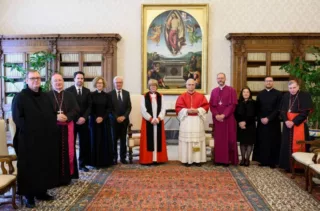
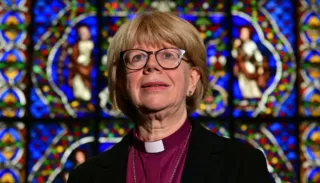
A group of British MPs and members of the House of Lords have called on the newly elected “Archbishop” of Canterbury, Sarah Mullally, to stop the Anglican Church’s allocation of £100 million for reparations for historic slavery. MPs said the move could set a “worrying precedent” for other organizations and divert funds away from priority church needs such as supporting parishes and maintaining churches.
The plan, known as Project Spire, would channel £100 million from the Church Commissioners’ fund into a separate charitable fund for “healing, restoration and justice”. This fund is to grow over time and be used to invest in support for historically marginalized groups, particularly communities affected by transatlantic African slavery. According to the British publication The Telegraph, 27 parliamentarians expressed serious concerns about the decision in their letter to Mullally.
The parliamentarians argue that under the law, the Church Commissioners’ fund should be used to support parish ministry, maintain church buildings and look after the Church’s historical records. “At a time when churches across the country are struggling to keep their doors open – many are even falling into disrepair – it is wrong to try to justify diverting £100 million to a project completely divorced from these core commitments,” the letter said.
The group, led by shadow Home Secretary Cathy Lam and also including senior Conservatives Chris Philp, Clare Coutinho and Neil O’Brien, also question the “evidence base” of the plan. They point out that “the Church has a long and complex history that includes both moral failures and courageous leadership in the abolitionist movement.” The deputies believe that “reducing this history to a simplistic narrative of guilt does a disservice to both the truth and the Church’s own heritage.”
In response to these statements, a spokesperson for the Church Commissioners stated, “The Church Commissioners, as a 320-year-old Christian perpetual fund, has committed £100 million to establish a new investment fund to support healing, justice and restoration in response to the revelation of its historical links to the transatlantic enslavement of African citizens.” It was emphasized that this is in line with the fourth attribute of the Church of England’s mission: to “seek to transform unjust structures of society, to challenge violence of all kinds and to pursue peace and reconciliation.” Governance arrangements are designed transparently – in line with charity law, fiduciary duties and moral objectives.
It is worth noting that this situation correlates to some extent with historical events in Ukraine, when the Russian Orthodox Church was part of the state apparatus of the Russian Empire, which systematically enslaved the Ukrainian people. It also echoes the problem of the Ukrainian Orthodox Church in unity with the Russian Orthodox Church, which for decades engaged in pro-Russian agitation under the guise of preaching, which emphasizes the complexity and multifaceted nature of issues of historical responsibility and their impact on contemporary society.
Recall, the Anglican Church of Nigeria, the world’s largest Anglican congregation with over 18 million believers, announced its “spiritual independence” and cessation of communion with the Church of England. The reason for such a decisive step was deep disagreement with the liberal reforms carried out by the center, in particular, the decision to bless same-sex unions.
Read also