Estonian Ministry of Internal Affairs banned the entry of an EOCC priest "for security reasons"
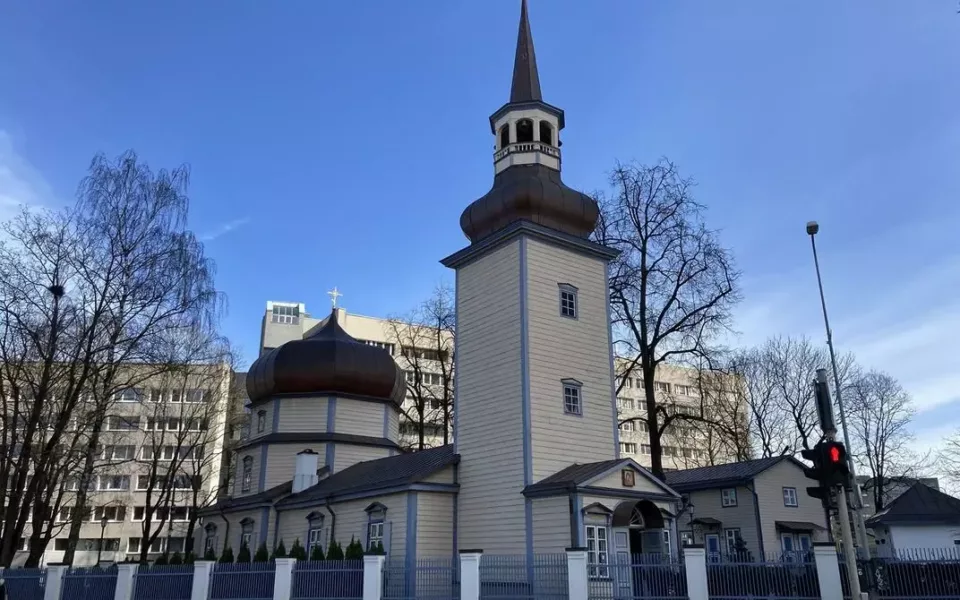
The Estonian Ministry of Internal Affairs has decided to ban Roman Kolesnikov, a priest of the Estonian Orthodox Christian Church and cleric of the Church of the Nativity of the Blessed Virgin Mary in Tallinn, from entering the country. The reason cited was a threat to state security related to his alleged support for Russia’s aggressive foreign policy and the ideology of the “Russian world”, which justifies war and violence. This is the third time in the past year that a clergyman has been denied entry to Estonia “for security reasons”.
The Interior Ministry’s decision was announced on Friday, January 2, Rus.err.ee reported, citing the news portal Rus.Postimees. Christian Pärt, head of the ministry’s internal security department, said that Kolesnikov, according to the ministry’s assessment, actively supported the aggressive foreign policy of the Russian Federation, as well as spreading the ideology of the “Russian world,” which, according to the ministry, justifies military action and violence.
The Interior Ministry emphasized that the structures of the Russian Orthodox Church “are systematically used by the Russian security services to undermine the security of other states.” Priest Roman Kolesnikov, the priest in question, began his ministry in the Estonian Orthodox Christian Church, which belongs to the Moscow Patriarchate, in the fall of last year.
So far, the Estonian Orthodox Christian Church has not provided a substantive comment on the case. It is noted that Roman Kolesnikov is already the third clergyman who was banned from entering Estonia “for security reasons” in the past year, which indicates the strengthening of control over persons whose activities may be considered a threat to national security.
Recall, earlier we reported that the Estonian State Court is preparing to examine the constitutionality of the amendments to the Churches and Parishes Act, adopted by the Riigikogu in June 2025. The Constitutional Review Board will consider a petition by President Alar Karis, who believes the law disproportionately restricts freedom of association and religion. The session will take place in Tartu in early February 2026.
Read also