The number of Protestant churches in the United States continues to decline
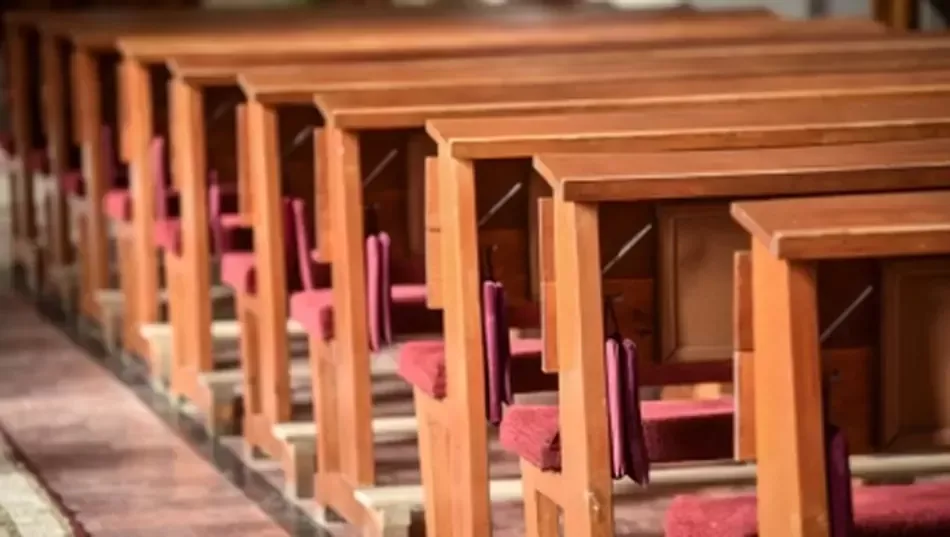
According to a new analysis by Christian Today based on data from Lifeway Research, the number of Protestant churches in the United States continued to decline in 2024, as the number of closures exceeded the number of new congregations. However, analysts note a significant narrowing of the gap between church openings and closings compared to previous years, indicating some stability in American Protestantism. This was reported by Christian Today.
Lifeway Research estimates that in 2024, approximately 3,800 new Protestant churches were launched across the country, while approximately 4,000 congregations ceased operations. This resulted in a net loss of about 200 churches. These figures are based on information provided by 35 denominations and religious organizations covering approximately 58% of the country’s Protestant communities, with the remaining figures extrapolated from this sample. The results reflect the ongoing change in the American religious landscape, marked by a long-term decline in Christian self-identification and church attendance.
As Lifeway Research Executive Director Scott McConnell notes, these figures point to both the resilience and fragility of Protestantism in the United States. Although many congregations remain open despite declining attendance, the average church today is smaller and often operates with fewer resources than in previous generations. The number of closures in 2024 represents just over 1% of the total number of Protestant churches in the country, which, according to the 2020 US Religion Census, is approximately 293,000 congregations.
Notably, the gap of 200 churches between openings and closings has narrowed significantly compared to previous years. By comparison, in 2019, the net loss was about 1,500 churches, and ten years ago, more congregations were opening than closing. Five years ago, an estimated 4,500 Protestant churches closed their doors compared to just 3,000 new starts.
The analysis also touched on trends in the Southern Baptist Convention, the country’s largest Protestant denomination. Between 2023 and 2024, 1.4% of Southern Baptist churches ceased operations, and another 0.4% separated from the convention. Despite these losses, thanks to the creation of new churches and the addition of communities, the denomination recorded a net decline of only 183 churches for the year. Although the total number of Southern Baptist Convention communities has been declining annually since its peak in 2017, Lifeway Research notes that the number of closures in 2024 was the smallest annual decline during that period.
Author and dean of Talbot School of Theology at Biola University Ed Stetzer emphasizes that the creation of new churches remains critical to sustaining Protestant Christianity in the United States. “Simply put, without church planting, any growing denomination would decline, and any declining denomination would decline even more,” he said. “Church planting is the most significant engine of evangelistic growth that we have in the world today.”
Despite the overall trend, most pastors do not expect their churches to close in the near future. A separate Lifeway Research survey found that 94% of Protestant pastors expect their churches to remain open in ten years, although confidence is lower among leaders of small congregations. Pastors serving churches with fewer than 50 regular attendees were most likely to express concern about long-term viability.
The study also found that more than a third of Protestant churches were involved in some form of new church planting, most often through training (42%), mentoring (38%), or evaluating potential planters (30%). However, only 2% took on primary financial sponsorship for a new church plant. New churches continue to show stronger growth than older ones. Within the Southern Baptist Convention, congregations founded after 2000 were the only group to record overall membership growth of 12% over the past five years, while churches founded earlier experienced a decline.
Scott McConnell notes that the data highlights a slow but steady transition rather than a sudden collapse. “Although the American church landscape is changing slowly, it is not standing still,” he said. “The future of Protestant churches in America lies in reaching new people with the offer of salvation through Jesus Christ. Most of the growth in the United States is occurring in new communities. Church planting is vital to spreading the gospel both in these new communities and in communities where the population is changing or previous churches have closed.”
Earlier, we reported that Ireland is seeing rapid growth in the number of Orthodox Christians. Over the past two decades, the number of Orthodox Christians in the country has increased almost sevenfold, reflecting a significant change in the religious landscape of the republic.
Read also