Estonian state court considers challenge to church law raising fears of religious freedom violations
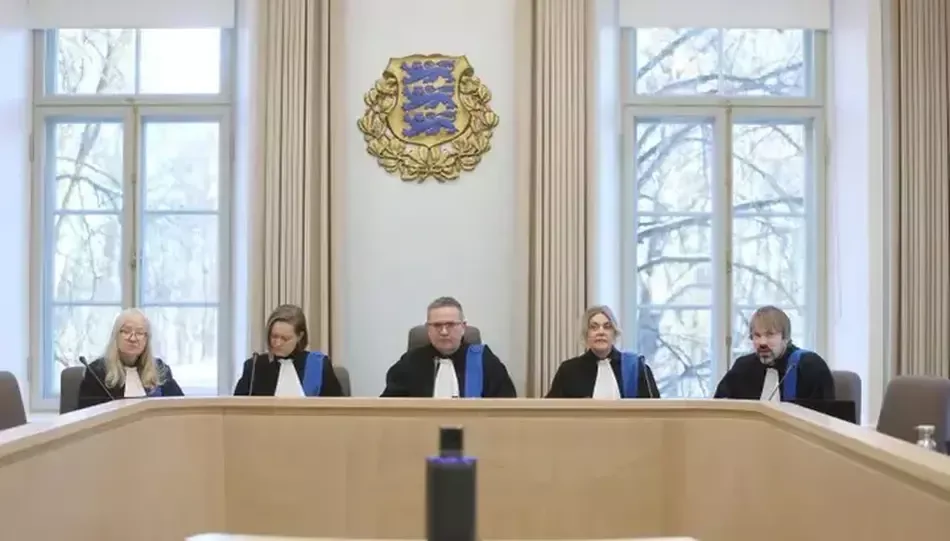
A heated debate has erupted in Estonia over amendments to the Law on Churches and Parishes aimed at banning religious organizations from associating with foreign spiritual centers. The Estonian State Court has begun hearing a petition filed by President Alar Karis, who is challenging the constitutionality of the amendments. The bill was opposed by the Estonian Council of Churches, the Estonian Orthodox Christian Church (EOCC), and the Pyukhtitsa Stavropigial Nunnery, seeing it as a threat to religious freedom and direct pressure on the EOCC because of its canonical connection to the Moscow Patriarchate.
According to Postimees, on February 3, 2026, the Estonian State Court began hearing the petition in open session. The hearing was held in Tartu with the participation of representatives of the President, the Riigikogu, the Ministry of the Interior and the Ministry of Justice, as well as delegations from the EPCMC, the Pühtitsa Stavropigial Nunnery and the Estonian Council of Churches.
The government and parliament insist that the changes to the law are necessary to protect national security. According to them, the potential threat comes not from religious communities in Estonia, but from foreign centers of influence, which is a key argument in support of the new regulations.
However, the Estonian Council of Churches has expressed serious concern that the state is interfering with the self-determination of one particular church through changes in legislation. According to the Council, such an approach sets a dangerous precedent of pressure on religious freedom and could affect not only the EPCC, but also other denominations.
Representatives of the Pyukhtitsa Stavropigial Nunnery and the Estonian Orthodox Christian Church took a similar position to the President. They pointed out that the proposed regulations are actually addressed specifically to the EPCC because of its canonical connection with the Moscow Patriarchate and are not of a general, neutral nature. The Church emphasizes that the requirement to change the subordination violates the principle of predictability of law. In addition, in their opinion, the law makes the local church responsible for the actions and statements of foreign clerics who are outside its control, which creates the risk of arbitrary application of norms, increases the feeling of discrimination and undermines the trust of believers in the state.
We would like to remind you that against the background of the protracted confrontation over the amendments to the Law on Churches and Parishes, the Estonian Christian Orthodox Church (ECOC) issued an official statement calling for dialog instead of confrontation. The Riigikogu has once again passed a controversial bill that President Alar Karis has already returned twice for revision due to inconsistency with the Constitution. The Church expresses its deep concern that the legislative process, which directly affects its activities, is taking place without its participation.
Read also