In Armenia, a criminal case has been initiated against Catholicos Karekin II and travel out of the country is prohibited
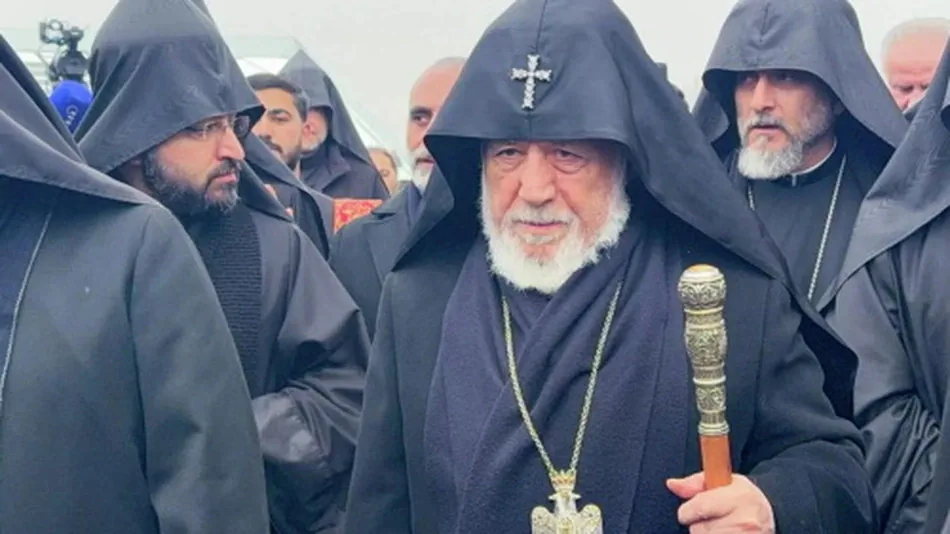
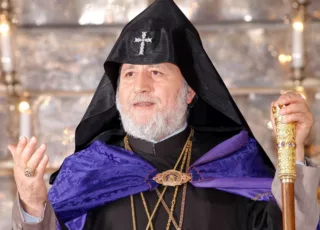
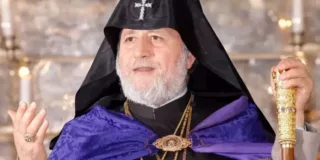
On February 14, the Armenian Prosecutor’s Office opened a criminal case against Catholicos of All Armenians Karekin II on charges of obstructing the execution of a judicial act, which entailed banning him from leaving the country. The lawyer called these actions “unprecedented” and “historically shameful action of the authorities,” considered as interference in the internal affairs of the Church and an attempt to disrupt the upcoming bishops’ conference. This is reported by TASS.
The criminal case is related to the situation around former clergyman Arman Saroyan (in the world Bishop Gevorg Saroyan). Earlier, Catholicos Karekin II deprived him of his dignity for violating his vow of obedience and suspended him from the post of the head of the Masiatsotn Diocese of the Armenian Apostolic Church. Saroyan challenged the decision in court and his claim for reinstatement was satisfied.
Lawyer Ara Zohrabyan emphasized that according to the Armenian Constitution, the Church is separated from the state, and the authorities have no right to interfere in church decisions. According to him, the main purpose of the actions of the investigative body is to prevent the holding of the council of bishops convened by Catholicos Garegin II. This council was to be held from February 16 to 19 in the Austrian city of St. Pölten to discuss intra-church problems against the background of the “anti-church campaign” launched by Armenian Prime Minister Nikol Pashinyan.
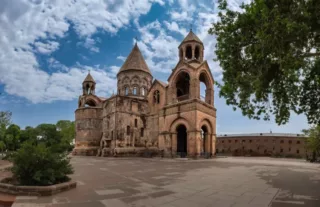
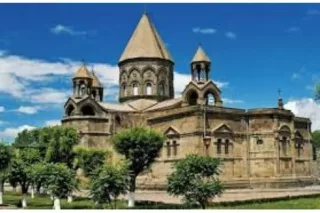
Relations between Prime Minister Pashinyan and Armenia’s clergy escalated after Echmiadzin demanded his resignation in 2020, criticizing his policies toward unrecognized Nagorno-Karabakh. In recent months, Pashinyan has reportedly been effectively openly campaigning for the removal of Garegin II as head of the Armenian Apostolic Church, who, according to church statutes, is elected for life. Earlier, criminal proceedings had already been initiated against the Catholicos and members of the Supreme Spiritual Council for obstructing the execution of a judicial act, and a measure of restraint was chosen against six of the 21 representatives of the clergy in the form of a signature not to leave the country.
Read also