Sudanese authorities prevent the restoration of a Coptic Church temple
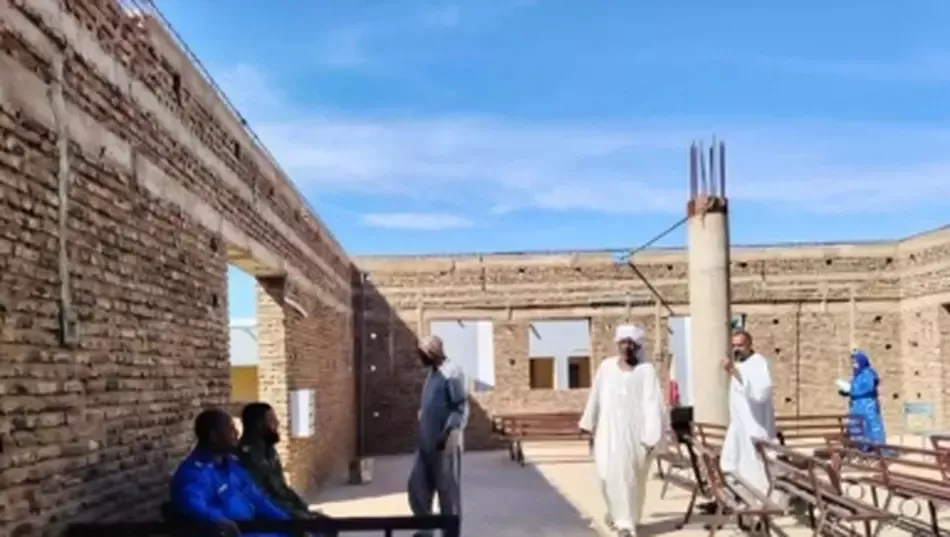
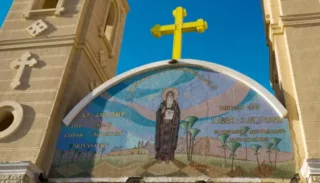
Sudanese authorities are hampering efforts to restore and utilize a place of worship by the Coptic community that has gathered in its building for three decades. After being damaged by heavy rain in 2019, the church’s attempts to build a sturdier structure were halted after a complaint from Muslim extremists. Christian Solidarity Worldwide (CSW) is expressing grave concern, noting that this is part of a broader problem of bureaucratic obstacles facing Christian communities in Sudan.
According to Christian Today, the Coptic community in Wad Diab Al-Ghab used the same building for worship services for thirty years. The building was located on land owned by their co-religionist Zaki Wanis Abadir.
In 2019, heavy rain caused significant damage to the building, which was constructed with simple materials. In response, the congregation of about 350 people decided to demolish the remaining parts of the church and build a sturdier brick building. By the end of last year, the fundraising and construction work was nearly complete.
It was at this point that a group of Muslim extremists intervened, filing a complaint with local authorities against Abadir. The authorities ordered a halt to all construction work and worship activities until proper authorization was obtained. However, the necessary permits were never issued.
CSW, which supports persecuted Christians around the world, is concerned that Sudanese authorities often facilitate mosque construction but use every bureaucratic trick in the book to discourage church planting. These concerns are heightened by the ongoing civil war in Sudan, where places of worship are often targeted by both sides of the conflict. Even if the war ended tomorrow, many Christians would be left without buildings for worship and would likely face huge obstacles in building or rebuilding them.
Mervyn Thomas, founder and president of CSW, said, “We call on the authorities in the Northern State of Sudan to grant this church the necessary permits so that it can peacefully continue to worship and complete the reconstruction of its place of worship. This congregation of 65 families has used the church for 30 years and are now left without a safe place to gather, which violates their right to freedom of religion or belief guaranteed by Sudan’s constitution and international obligations.”
He added: “The context of war does not allow for this kind of suppression of the right to freedom of religion or belief and we call for urgent action to resolve this issue.” Thomas also called on the international community to support religious freedom in the country, noting that any post-war reconstruction talks must include the needs of vulnerable religious communities who may have lost access to both registered and unregistered properties and whose buildings may require comprehensive reconstruction.
Recall that according to the annual World Watch List 2026 (WWL) report published by Open Doors, North Korea is the most dangerous country in the world for Christians, while Nigeria is recognized as the deadliest. The annual report also indicates that the number of Christians experiencing high levels of persecution for their faith has risen to 388 million in the last year – an increase of 8 million from the previous WWL. These figures mean that one in seven Christians worldwide, two in five in Asia and one in five in Africa face persecution.
Read also