Patriarch of Alexandria forgives "those who sought to undermine the Patriarchate"
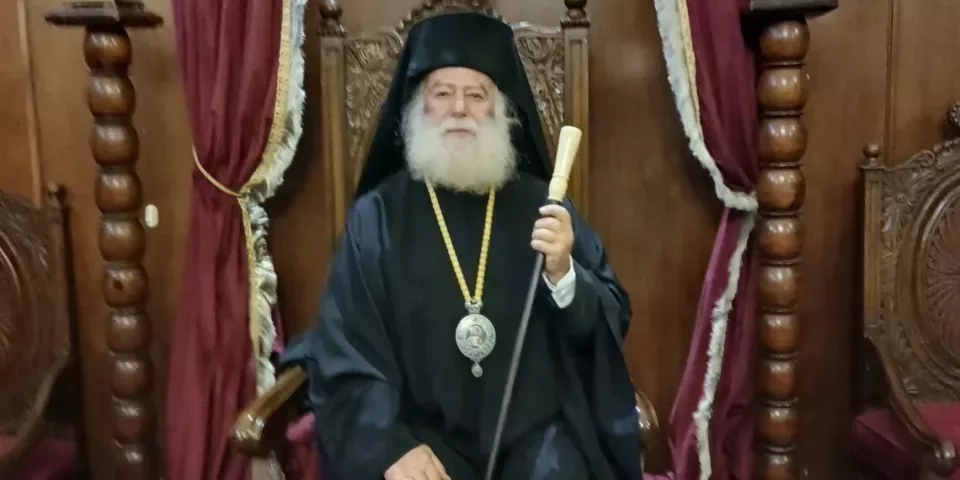
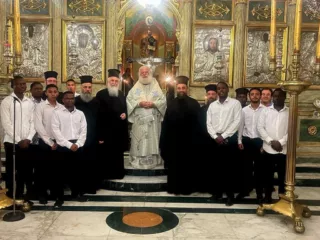
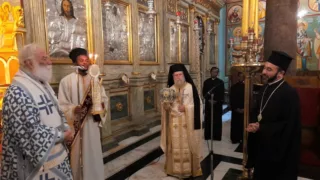
On the eve of Lent, on February 22, 2026, Patriarch Theodore II of Alexandria and All Africa led the service of Vespers at the Holy Patriarchal Monastery of St. Sava the Blessed in Alexandria. During his address, His Beatitude, following the ancient tradition of mutual forgiveness, emphasized that he forgives “those who sought to undermine the missionary work, wound the Patriarchate and sow doubt in the hearts of our African brothers and sisters.”
According to the Orthodox Times, Metropolitan Herman of Tamiatou, abbot of the monastery, and Bishop Damaskin of Mareotis, Patriarchal Vicar of Alexandria, concelebrated with Patriarch Theodore II at Vespers. In his sermon, the Patriarch read the Prayer of Forgiveness before the beginning of Lent and addressed the faithful, speaking about the significance of this sacred period. He emphasized that this sacred tradition of mutual forgiveness has its roots in Egypt, the birthplace of monasticism, where the desert fathers exchanged forgiveness on this day and then went into the desert, beginning the spiritual struggle of Lent with a pure heart.
Continuing his speech, Patriarch Theodore said: “Today I forgive those who sought to undermine the missionary work; I forgive those who tried to wound the Patriarchate; I forgive those who tried to sow doubt in the hearts of our African brothers and sisters.”
The patriarch assured that the Church of the Apostle and Evangelist Mark, with its two-thousand-year journey marked by the Cross and Resurrection, will continue its ministry unwaveringly. It will continue to “forgive, support, love, create and bring gifts.”
Earlier, Hieromonk Stefan (Igumnov), Secretary of the Department for External Church Relations of the Moscow Patriarchate for Inter-Christian Relations, spoke about why it was decided to sever relations with the Patriarchate of Alexandria and to create the African Exarchate of the Russian Orthodox Church. According to the priest, the situation developed in this way because of the non-canonical actions of Patriarch Theodore of Alexandria, who recognized the OCU and concelebrated with the head of this organization.
Read also